

Suffolk’s varied landscape includes over 3,000 kilometres of public footpaths, making it ideal for those who enjoy walking. The county’s coastline extends 80 kilometres along the North Sea, featuring several National Trails and long-distance paths. Routes range from gentle riverside strolls to more demanding coastal cliff walks. Guided walking tours typically cost between EUR 15 and 25 per person, while self-guided routes remain free and open year-round. Suffolk’s mild maritime climate ensures comfortable walking most months, with spring and early autumn offering temperatures between 12 and 18°C.
Where to stay in and around Ipswich
Live rates from Booking.com, Agoda, Hotels.com and more — nearby stays hand-picked by review score.

The Harp Freehouse and Guesthouse
from £67.68

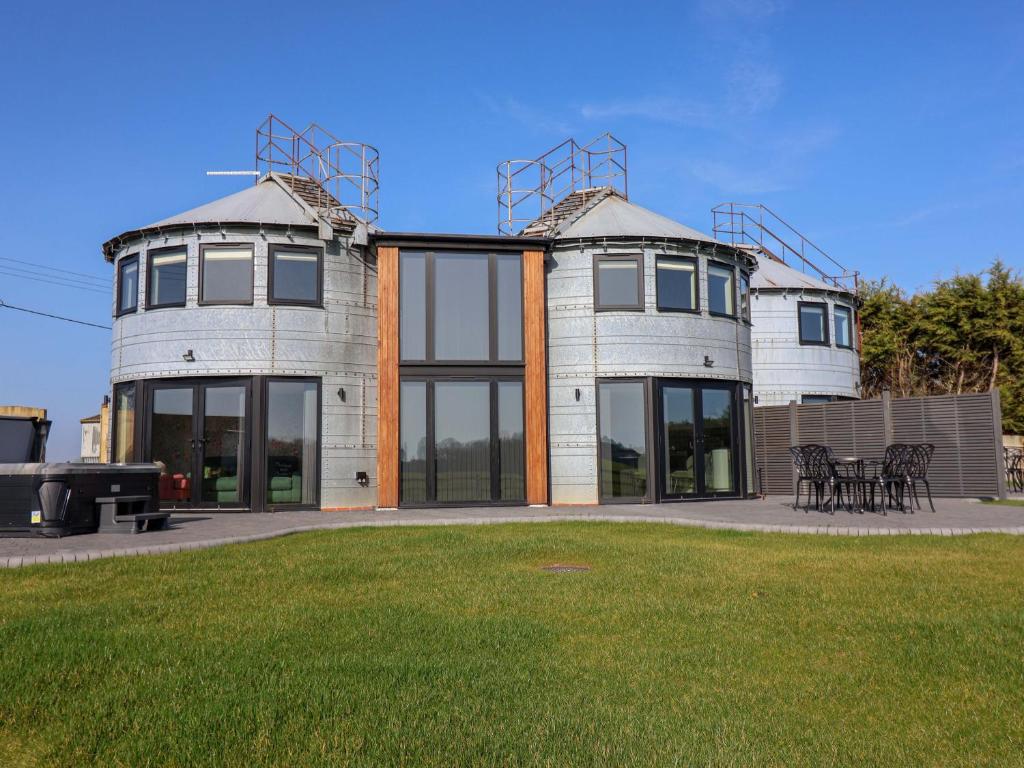

Prices and availability shown on partner sites at time of click. We may earn a commission.
Ipswich on the map
Hotels and dining around Ipswich, with live ratings.
What are the best coastal walks in Suffolk?
The Suffolk Coast Path and the Sandlings Walk provide excellent coastal routes, covering about 60 kilometres along shorelines rich in wildlife and history.
The Suffolk Coast Path stretches roughly 50 kilometres from Felixstowe to Lowestoft, winding through nature reserves like Orford Ness and RSPB Minsmere. Walkers often spot diverse bird species such as avocets and marsh harriers, while the salty tang of sea air mixes with the subtle scent of salt marsh grasses. The path is well marked and manageable for walkers with moderate fitness.
The Sandlings Walk covers 38 kilometres between Ipswich and Southwold, crossing heathlands and pine woodlands before reaching sandy beaches. Along the way, visitors hear the crunch of pine needles underfoot and can visit quiet villages like Dunwich, where the aroma of sea breeze blends with woodland earthiness. Both routes have nearby bus services and accommodation, supporting multi-day walking trips.
Which country paths in Suffolk provide the best countryside walking experience?
The Stour Valley Path and the Lavenham Wool Towns Trail showcase Suffolk’s countryside charm over 30 to 50 kilometres, featuring historic villages and natural landscapes.
The Stour Valley Path follows the River Stour from Sudbury to Cattawade for about 32 kilometres. Walkers pass through gently rolling farmland, apple orchards heavy with fruit, and wildflower meadows buzzing with bees. Medieval villages such as Clare and Long Melford line the route, where the sounds of church bells and bird song fill the air. The mostly flat terrain suits walkers of all levels.
The Lavenham Wool Towns Trail is a 40-kilometre circular walk connecting villages famous for their medieval wool trade heritage, including Lavenham, Kersey, and Hadleigh. The trail passes through open fields, dense woodlands, and streets lined with timber-framed houses and 15th-century churches, where the earthy scent of aged wood mingles with fresh country air. This walk combines rural scenery with cultural history.
How can visitors enjoy river walks in Suffolk?
River walks along the Orwell and Deben rivers provide peaceful paths with chances to observe wildlife, historic docks, and quiet waterside villages.
The Orwell Walk covers 15 kilometres from Ipswich to Felixstowe Ferry, tracing the River Orwell estuary. The route passes Christchurch Park with its leafy avenues, Ipswich’s historic town centre where the murmur of the waterfront mixes with gull calls, and marshes alive with reed warblers. At Felixstowe Ferry, the scent of brine fills the air beside the historic docks. The flat, well-maintained path is family-friendly. Herons and kingfishers are common sights.
The Deben Estuary Walk runs about 20 kilometres from Woodbridge to Felixstowe Ferry. Along this route, walkers pass salt marshes shimmering with tidal pools, oyster beds near Waldringfield, and the quiet village of Ramsholt, where the gentle lap of water against moored boats can be heard. Benches and picnic spots at intervals invite rest. Local buses and parking at Woodbridge station provide easy access.
What practical tips should walkers know before setting out in Suffolk?
Walkers should prepare for changing weather, wear sturdy shoes, and carry water and snacks, especially on longer routes.
Many Suffolk footpaths cross farmland, so it is important to keep dogs on leads and close gates to protect livestock. Maps and route guides can be obtained from Ipswich tourist offices or online via Suffolk County Council. Mobile phone reception is generally reliable, though some remote areas, like parts of Rendlesham Forest, may have limited signal.
Public transport options include trains to Ipswich and buses to coastal villages such as Southwold and Aldeburgh. Parking is available at main trailheads but can fill quickly in busy seasons, particularly at Orford Ness car park. Starting walks early in the morning or late afternoon helps avoid crowds on popular paths.
Where to Stay in Suffolk


Where can walkers find local insights and less frequented paths in Suffolk?
Local walkers often recommend the Rendlesham Forest trails and Blyth Valley Path for quieter routes. These paths offer woodland scenery and river views away from the busier coastal areas.
Rendlesham Forest features several marked trails between 5 and 15 kilometres, suitable for all fitness levels. Its pine and oak woods carry the scent of resin and earth, and deer sightings are occasional.
The Blyth Valley Path follows the River Blyth from Halesworth to Southwold, covering 30 kilometres through farmland and small villages like Walberswick. This less-traveled path features peaceful walks, with local pubs such as The Bell Inn in Walberswick providing comfortable rest stops.
“Walking Suffolk’s coast near Ipswich, you can smell the salty breeze mingling with fresh meadow grass, while hidden river paths reveal quiet oases where herons glide just above the water—these trails offer a perfect blend of rugged beauty and peaceful solitude only locals truly appreciate.”
What are the costs and access arrangements for Suffolk walking routes?
Most Suffolk walking routes are free to use, with costs mainly related to transport and optional guided tours.
Public footpaths and National Trails do not charge entry fees. Parking at trailheads typically costs between EUR 2 and 5 per day, for example at Felixstowe Beach car park. Guided walks usually range from EUR 15 to 25 per person, depending on the duration and group size.
Train fares to Ipswich start around EUR 25 from London Liverpool Street, while local bus fares average EUR 3 to 5 per trip. Walking maps and guidebooks are sold at Ipswich and Woodbridge tourist centres, priced between EUR 5 and 10.
How accessible are Suffolk’s walking paths for families and less experienced walkers?
Many Suffolk paths feature flat terrain and short loops suitable for families and less experienced walkers.
Paths such as the Ipswich Waterfront Walk along the River Orwell and the Felixstowe Sea Front Promenade are paved and easy to follow, with distances under 5 kilometres. Along these routes, benches, cafes like Waterfront Coffee House in Ipswich, and public toilets provide convenience.
The RSPB Minsmere reserve has accessible trails with boardwalks and bird hides designed for wheelchairs and pushchairs. For longer walks, breaking routes into sections accommodates varying fitness levels.
What safety considerations should walkers keep in mind on Suffolk trails?
Suffolk’s coastal paths include cliff edges and can become slippery after rain, so walkers should proceed with caution. Weather can change rapidly, making waterproof clothing essential.
Ticks are present in grassy and wooded areas such as Rendlesham Forest; wearing long sleeves and checking for ticks after walks is advisable. In case of emergencies, dial 112 or 999.
Letting someone know your planned route and expected return time is wise, especially for longer or remote walks near places like Orford Ness.
What are some recommended walking events or guided tours in Suffolk?
The Suffolk Walking Festival takes place annually in May, featuring guided walks, workshops, and family activities across the county. Fees generally range from EUR 10 to 30.
Local operators offer guided tours focused on birdwatching at RSPB Minsmere, history in Lavenham, or nature in Rendlesham Forest. Prices start at EUR 20 per person for half-day walks. Booking ahead is advised, especially in busy seasons.
Details on scheduled walks and events can be found on the Suffolk Coast & Heaths Area of Outstanding Natural Beauty website and at tourist offices in Ipswich and Southwold.


