

Lavenham is a small village in Suffolk, England, known for its exceptionally well-preserved medieval architecture and historical significance. Located about 30 kilometres southwest of Ipswich, Lavenham is accessible by car in roughly 40 minutes via the A14 and A1141. The village's population is around 1,300 residents, and it features more than 300 listed buildings, many dating back to the 15th and 16th centuries.
Walking along Church Street, visitors can admire the intricate black-and-white timber frames while hearing the soft creak of old wooden beams settling. The scent of freshly baked bread drifts from nearby bakeries, mingling with the earthy aroma of the ancient stone walls. The medieval Guildhall on Market Place invites a quiet reverence, with the distant chime of church bells from St Peter and St Paul punctuating the air. Admission to key attractions typically ranges from EUR 5 to 12, making it an affordable day trip. The village layout is compact, with most sites within a 15-minute walk of each other.
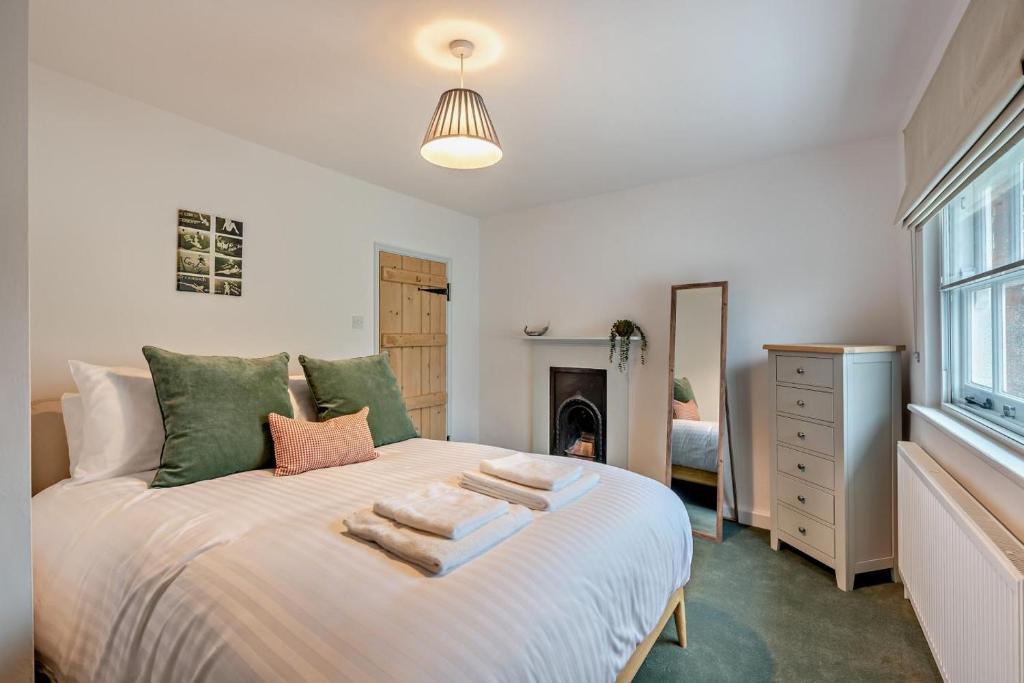
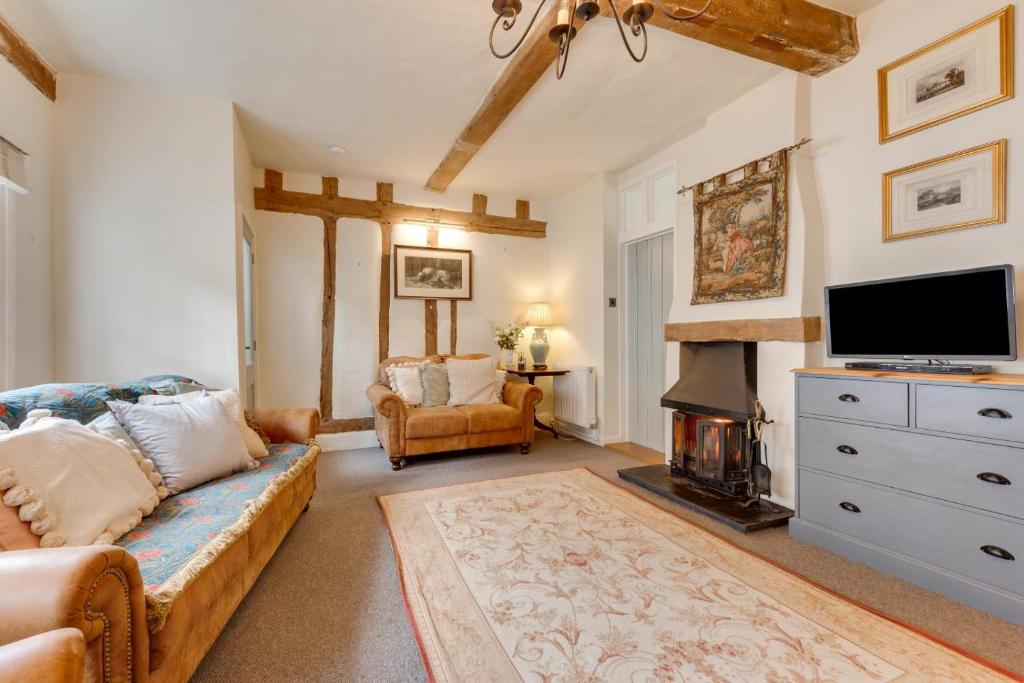
Where to stay in and around Lavenham
Live rates from Booking.com, Agoda, Hotels.com and more — stays picked by review score.

The Great House Lavenham Hotel & Restaurant
from £186.18

Prices and availability shown on partner sites at time of click. We may earn a commission.
How can I get to Lavenham from Ipswich by car or public transport?
The easiest way to reach Lavenham from Ipswich is by car, which takes about 40 minutes over a distance of 30 kilometres. Public transport options are available but less direct and slower.
By car, take the A14 westbound from Ipswich and then follow the A1141 south to Lavenham. Parking is available at the village car parks near the Guildhall and Market Place, typically charging around EUR 2-4 for a day.
For public transport, local buses run between Ipswich and Lavenham but can take up to 1 hour 15 minutes including transfers. The bus routes 76 and 77 connect Ipswich to Sudbury, with a change required. From Sudbury, a short taxi ride or local bus can bring you to Lavenham. It is advisable to check current timetables at Suffolk On Board before travelling.
What are the main historical attractions in Lavenham?
Lavenham's main historical attractions include the Church of St Peter and St Paul, the Guildhall, and numerous timber-framed medieval houses that reveal the village's prosperous wool trade past.
The Church of St Peter and St Paul on Church Street is a striking example of late medieval Perpendicular Gothic architecture, featuring an impressive tower and intricate stained glass windows. Visitors often pause to admire the kaleidoscope of coloured light filtering through the glass, accompanied by the faint scent of old wood and incense. Entry is free, though donations are welcome.
The Guildhall, located on Market Place and dating from the 16th century, was once the centre for the village’s cloth trade and now hosts exhibitions and events. Admission costs approximately EUR 7 per adult. Walking around the village streets, visitors can see many well-preserved half-timbered houses such as Little Hall on Water Street and the Swan Hotel, which date back to the 15th century, their weathered beams whispering stories of centuries past.
Location of Lavenham
When is the best time to visit Lavenham for mild weather and fewer crowds?
The best time to visit Lavenham is between late spring and early autumn (May to September) when the weather is mild and outdoor attractions are fully accessible.
During these months, average daytime temperatures range from 15°C to 22°C, ideal for strolling the village lanes. The scent of blooming roses and freshly cut grass fills the air. Summer months bring longer daylight hours, allowing more time to absorb the village’s atmosphere.
Visiting outside peak summer (July and August) can help avoid crowds, especially on weekends. Winter months are quieter but some attractions may have reduced opening hours, and the weather can be cold and damp, limiting outdoor activities.
What are the best walking routes in Lavenham to see medieval landmarks?
Lavenham’s compact size makes it ideal for self-guided walking tours covering its medieval streets and historic buildings within 30 to 60 minutes.
A recommended route starts at the village car park near the Guildhall on Market Place, then proceeds along Church Street to the Church of St Peter and St Paul. Along this path, visitors can hear the distant clatter of horse hooves on cobbles and catch glimpses of ivy creeping up ancient walls. From there, walk down Water Street to see Little Hall and the Swan Hotel, then continue to the Market Place before returning.
For those wanting a longer walk, the Lavenham Heritage Trail is a marked 2.5-kilometre circular route that includes interpretation boards explaining the history of key sites. The trail takes approximately 1 hour 15 minutes to complete at a leisurely pace.
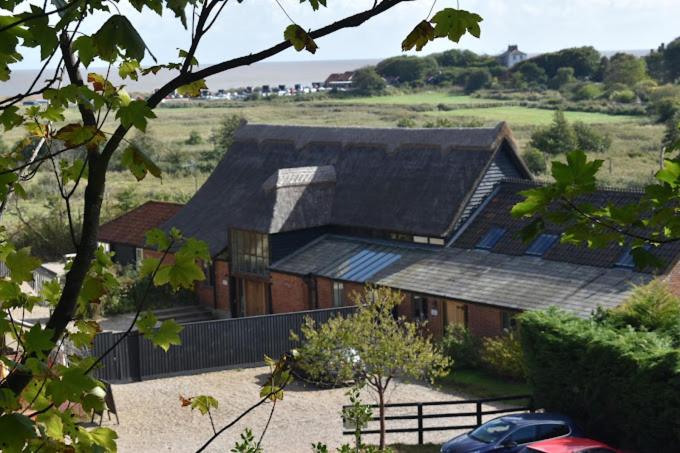
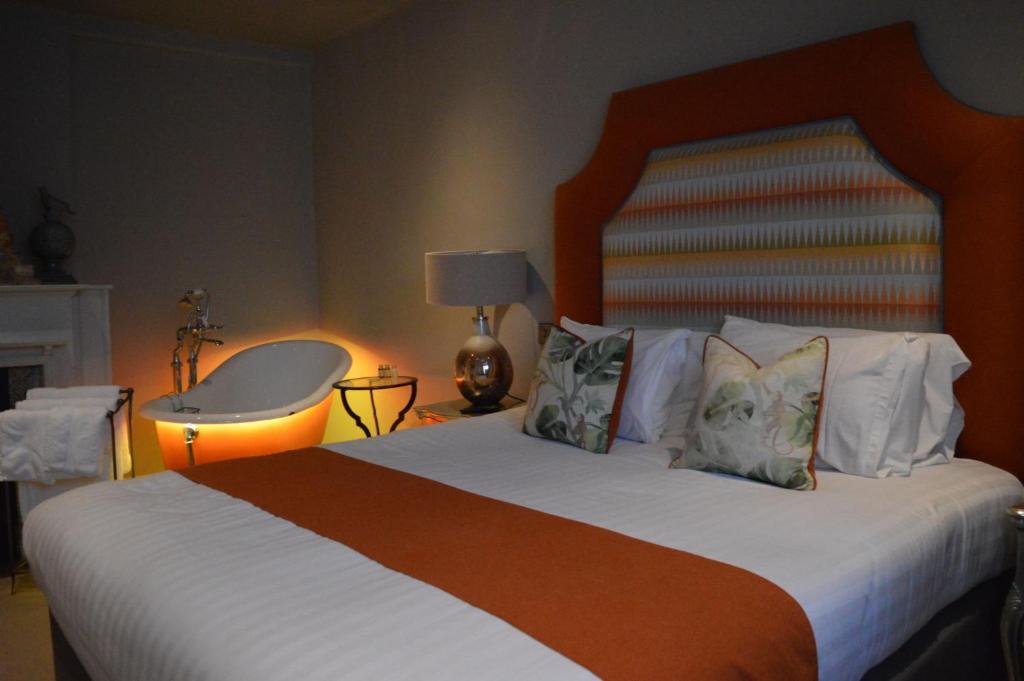
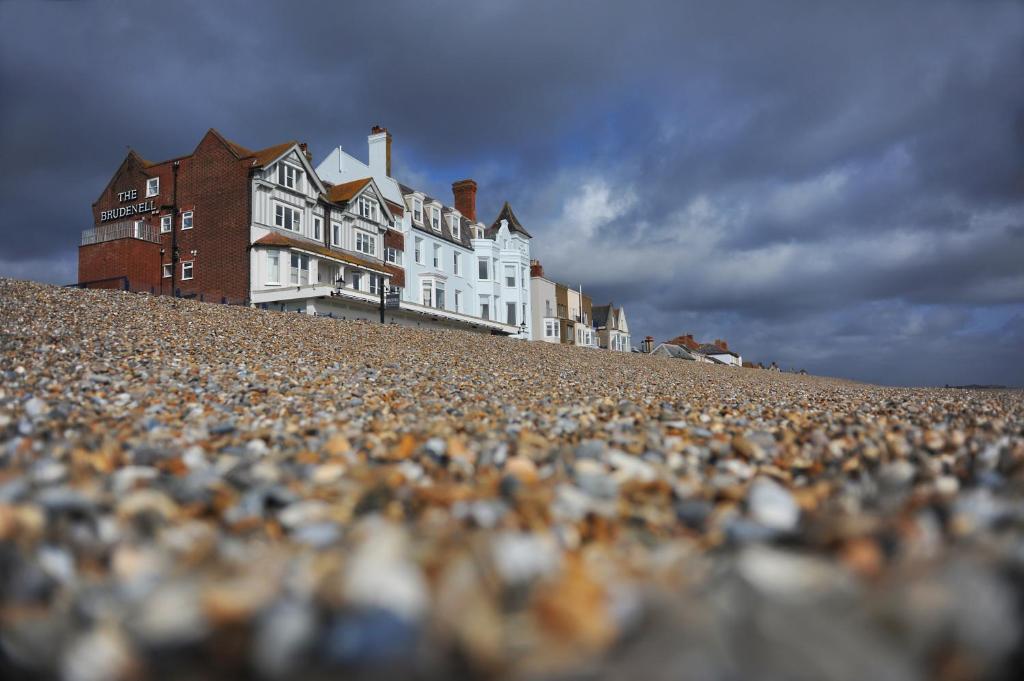
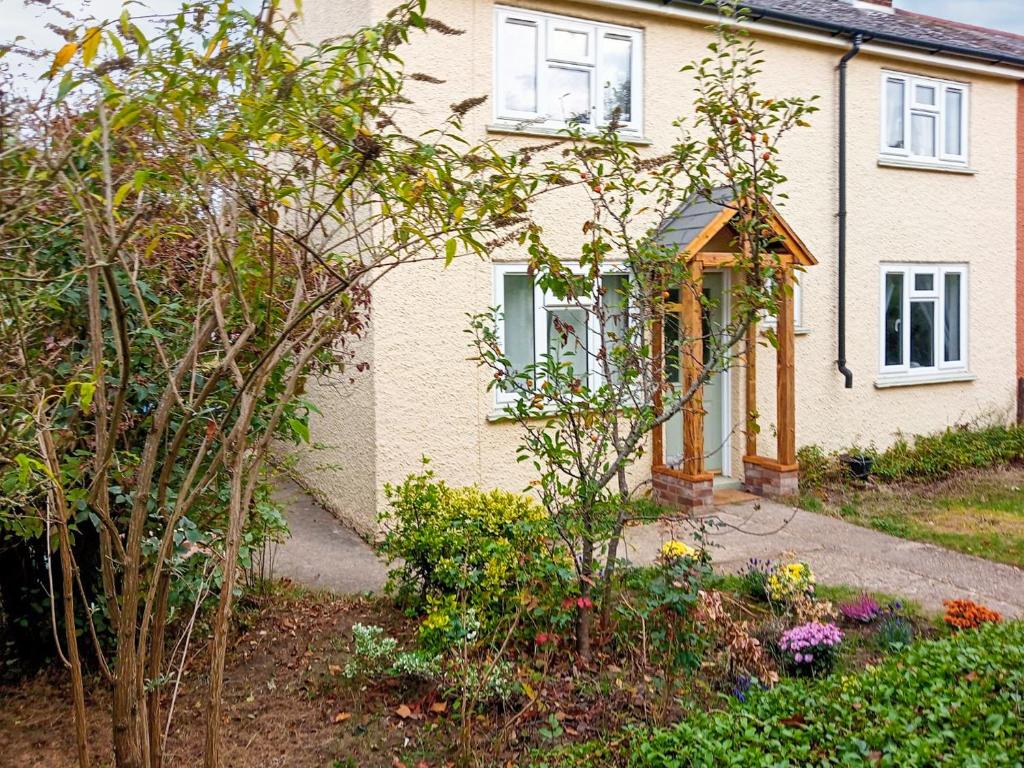
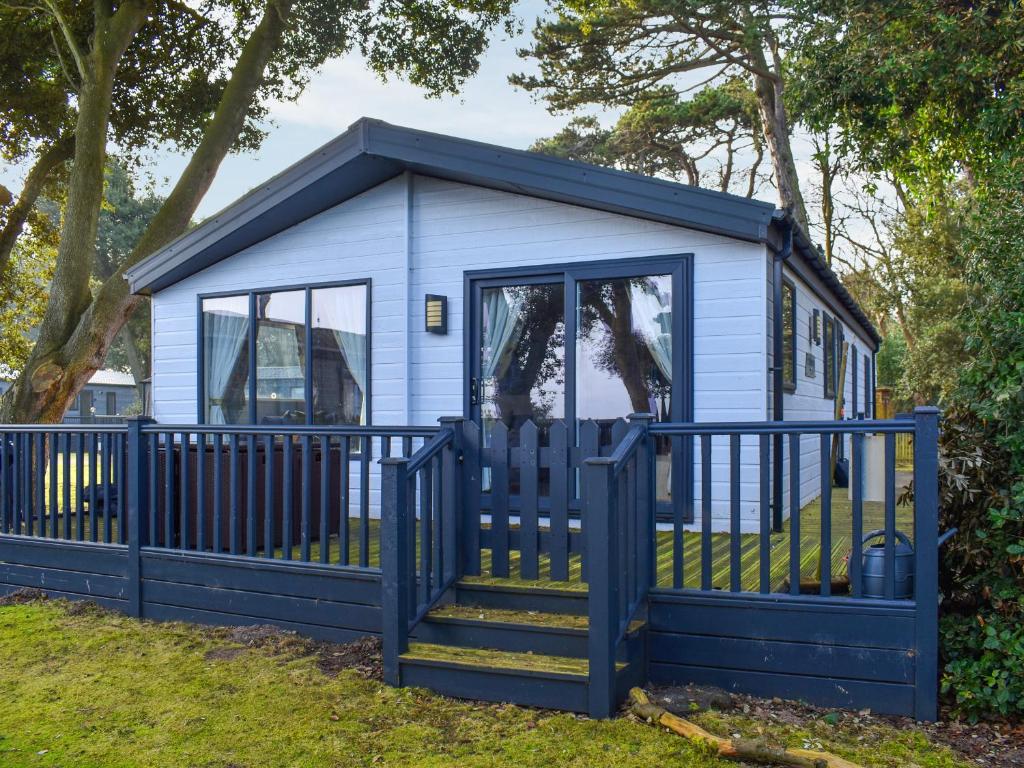
Where to Stay in Suffolk

Where can I find food and drink in Lavenham's village centre?
Lavenham has several traditional pubs, cafes, and tea rooms serving local Suffolk fare and beverages, mostly within a 10-minute walk of the Market Place and Church Street.
The Swan Hotel, a historic coaching inn on Water Street, provides classic English pub meals featuring Suffolk pork and locally sourced vegetables, with prices ranging from EUR 12 to 20 per main course. The Blue Lion on Church Street is another well-regarded pub with a selection of ales brewed nearby and seasonal dishes.
For lighter options, the Old Creamery Café on Market Place serves homemade cakes, sandwiches, and freshly brewed coffee, with prices around EUR 4-8 per item. The smell of baking and freshly ground coffee beans fills the air. Many establishments are open daily but checking opening times in advance is advisable, especially outside the main tourist season.
“Wandering Lavenham’s timber-framed streets, you can almost hear the whispers of medieval merchants and feel the rhythm of centuries-old cobblestones beneath your feet—few villages wear their history as naturally or as vividly as this Suffolk gem.”
What practical tips should I know before visiting Lavenham village?
Visitors should wear comfortable walking shoes due to uneven cobbled streets on Church Street and Water Street and bring cash, as some smaller shops and cafes may not accept cards.
Public toilets are available near the village car park at Market Place and at the Guildhall. Free Wi-Fi is limited, so plan accordingly.
Parking fees are modest, typically EUR 2-4 per day, and opening hours for attractions vary, generally from 10:00 to 17:00. Booking guided tours or tickets in advance during summer weekends can help avoid queues.
What local events or markets take place in Lavenham throughout the year?
Lavenham hosts several annual events and markets that reflect its historical and community character, attracting visitors interested in local culture.
The Lavenham Medieval Festival, usually held in July on Market Place, features period costumes, reenactments, and craft stalls. The sound of lutes and drums fills the air during the festival. Admission is around EUR 10 for adults.
Monthly farmers’ markets take place on the village green, selling local produce such as cheeses, meats, and baked goods. These markets usually operate on the second Saturday of each month, from 9:00 to 13:00.
How do locals spend their leisure time in Lavenham?
Residents of Lavenham often engage in community activities, enjoy walking in the surrounding Suffolk countryside, and frequent local pubs and clubs.
The village has a community centre offering classes, social events, and clubs ranging from gardening to history. Nearby footpaths lead to the Suffolk countryside, popular for hiking and cycling. In the pubs, locals share stories over pints of traditionally brewed ale.
Locals also support village events such as craft fairs and charity fundraisers, often held at the Guildhall or village hall. Visiting during these times provides insight into everyday life beyond the main sights.
Where can I find accommodation in Lavenham near the village centre?
Lavenham provides several accommodation options including boutique hotels, bed and breakfasts, and self-catering cottages, mainly located within easy walking distance of the Market Place and Church Street.
The Swan Hotel and the Bull Hotel offer rooms priced between EUR 70 and 120 per night, depending on the season. For a more intimate setting, guesthouses such as The Old Mill House provide double rooms from around EUR 60.
Self-catering cottages can be rented for longer stays, with prices ranging from EUR 80 to 150 per night. Booking ahead is recommended, especially during summer and event weekends.


