

Walberswick and Southwold, two coastal villages in Suffolk, United Kingdom, lie approximately 5 kilometres apart along the Suffolk Heritage Coast. Known for their maritime heritage and seaside atmosphere, these villages attract visitors looking for a quieter alternative to busier resorts. Walberswick is accessible by a seasonal foot ferry from Southwold, with a crossing time of about 10 minutes, while Southwold features Southwold Pier and the Southwold Lighthouse. Accommodation prices range from EUR 80 to 150 per night during peak seasons, with local eateries such as The Crown and The Bell serving fresh seafood at around EUR 15-25 per person. The area’s temperate maritime climate brings mild summers and cool winters, making late spring to early autumn the best time to visit.
Where to stay in and around Walberswick
Live rates from Booking.com, Agoda, Hotels.com and more — stays picked by review score.

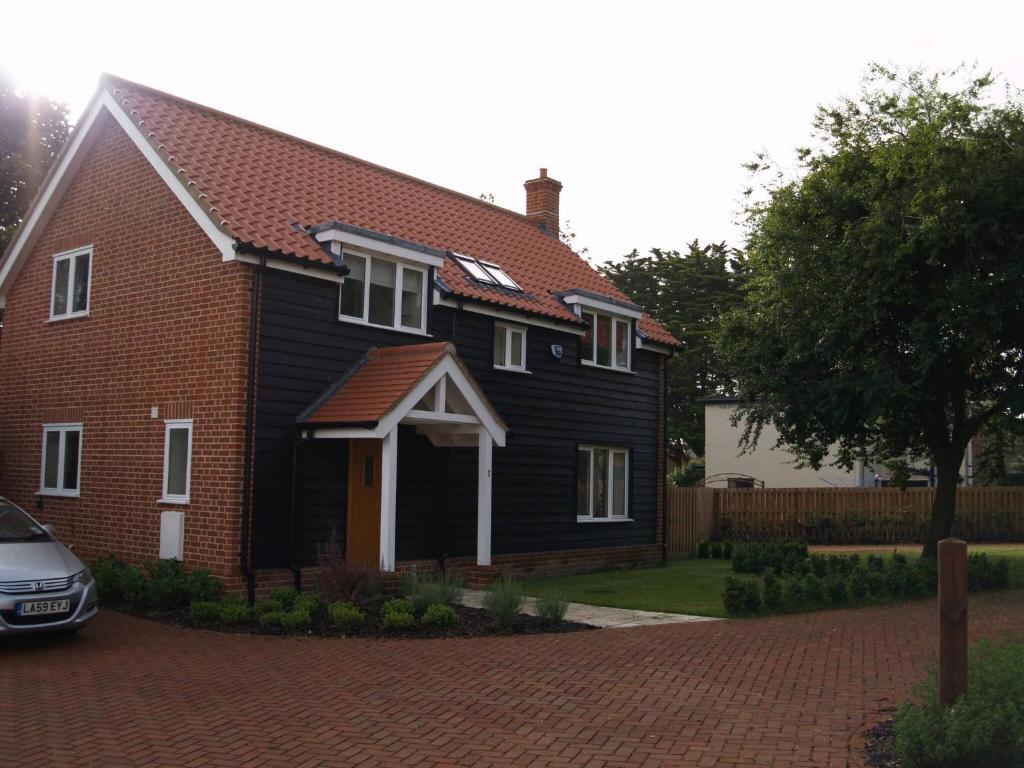
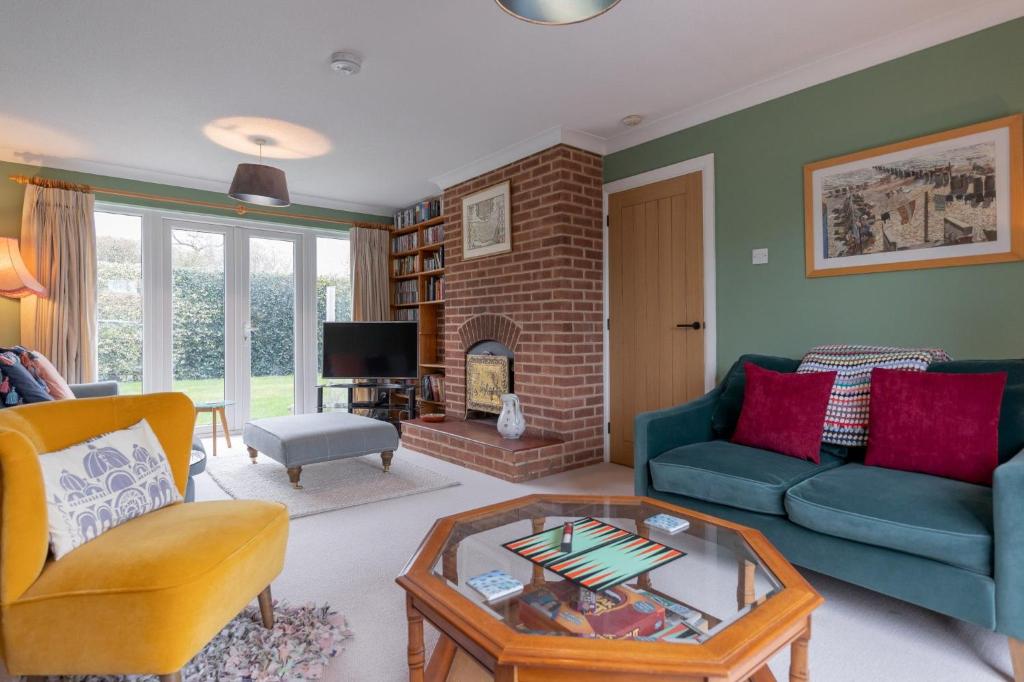
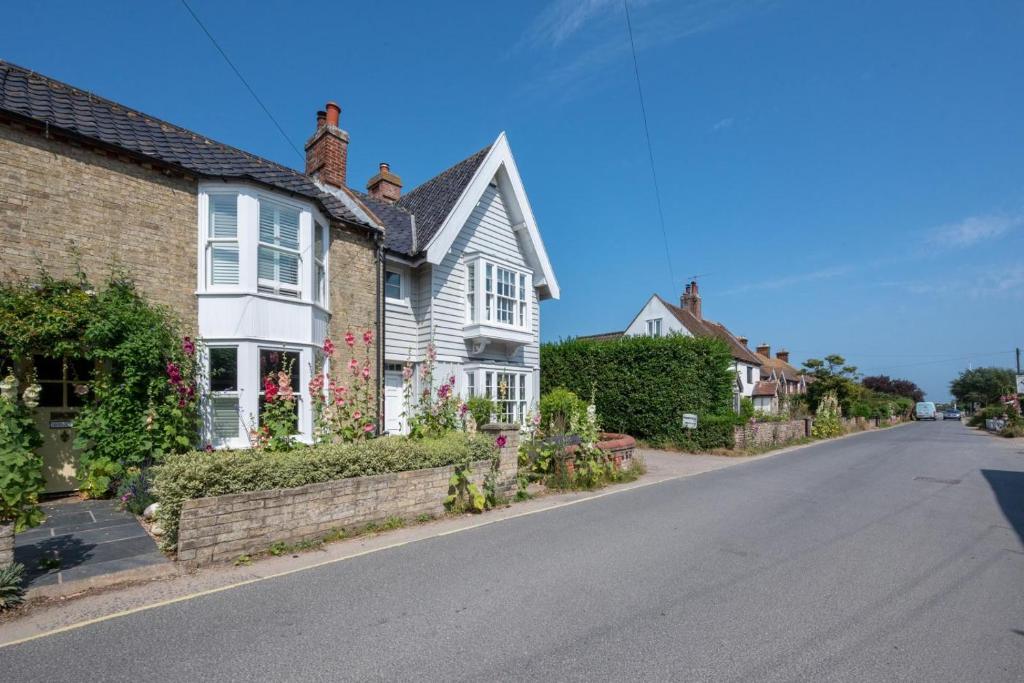
Prices and availability shown on partner sites at time of click. We may earn a commission.
How can visitors travel between Walberswick and Southwold villages?
The most direct way to travel between Walberswick and Southwold is via the seasonal foot ferry crossing the River Blyth in about 10 minutes, operating from Easter to October.
Alternatively, visitors can take the 5-kilometre Southwold to Walberswick coastal path or use local roads such as the A1095, which extend the journey to approximately 20 minutes by car or 45 minutes on foot. The foot ferry runs daily during the warmer months, with fares around EUR 3-4 per person each way. Passengers hear the gentle splash of oars and the call of gulls during the crossing, while the salt breeze carries the scent of the sea. This service provides a convenient link between the two villages, avoiding a longer inland route. Outside ferry months, buses from Darsham railway station and taxis serve the route, but schedules may be limited, so planning ahead is advised.
What are the key historical landmarks in Walberswick and Southwold?
Walberswick and Southwold each have distinct historical identities, with Walberswick known for St. Andrew’s Church and Southwold for Southwold Lighthouse and Southwold Pier dating back to the early 20th century.
Walberswick’s St. Andrew’s Church, a Grade I listed building on High Street, dates to the 15th century and contains notable medieval woodwork and stained glass that catch the sunlight in rich hues. The village was once a thriving fishing port, and remnants of its maritime past remain visible in the harbour area near Ferry Road, where the salty tang of the sea mingles with weathered timber and rope. Southwold’s lighthouse, built in 1887 on Harbour Road, remains operational and open for public tours during summer months, providing panoramic views of the coastline. Southwold Pier, constructed in 1900, has been restored and functions as a recreational space with cafes and amusements, where the sound of waves mingles with laughter and the aroma of fresh coffee. Both villages reflect the evolution of Suffolk’s coastal communities through centuries of fishing, trade, and tourism.
Location of Walberswick and Southwold
What outdoor activities can visitors enjoy in Walberswick and Southwold?
Outdoor activities in Walberswick and Southwold include coastal walking, birdwatching, sailing, and cycling, with well-maintained trails and access to the Suffolk Coast and Heaths Area of Outstanding Natural Beauty.
The 15-kilometre Southwold to Walberswick coastal path is popular for walkers, offering views of saltmarshes, sand dunes, and the North Sea’s shifting hues. Walberswick is part of the RSPB Minsmere reserve area, attracting birdwatchers who come to spot avocets, marsh harriers, and other species amid the calls of curlews and oystercatchers. Sailing and kayaking are available from Southwold Harbour, where the fresh sea air carries the scent of brine and the rhythmic slap of water against hulls. Local clubs like the Southwold Sailing Club provide community and rental facilities. Cycling routes connect the villages to nearby market towns such as Halesworth and Reydon, with bike hire shops in Southwold town centre offering gear. Seasonal guided nature walks and wildlife tours run from April to September, often led by local volunteers who share knowledge about flora and fauna.
Where can visitors find accommodation in Walberswick and Southwold villages?
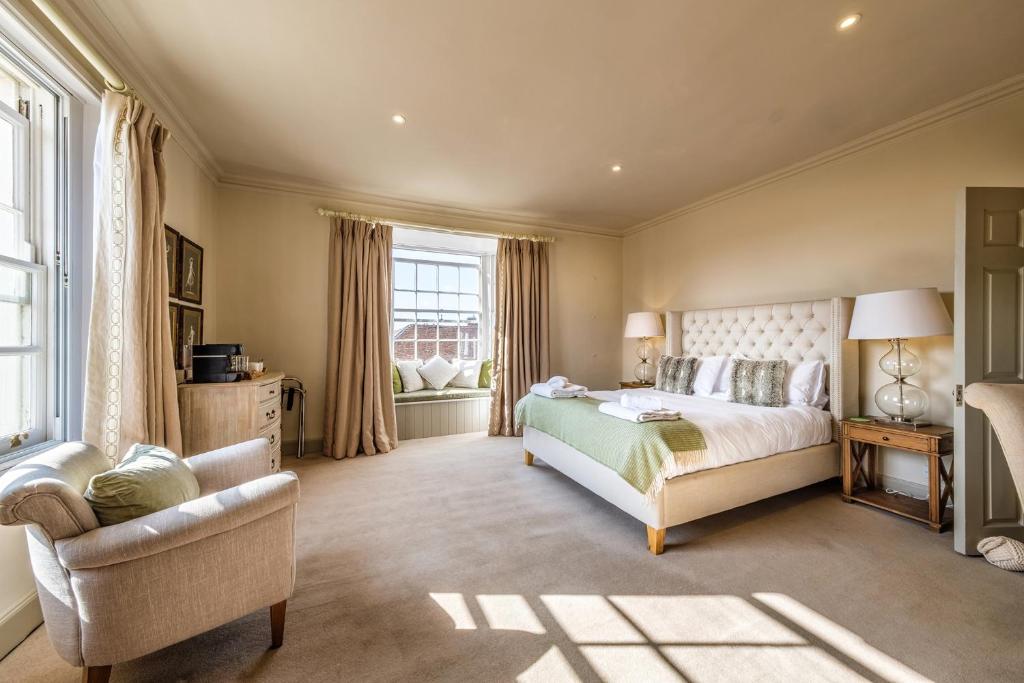
Accommodation options in Walberswick and Southwold range from boutique bed and breakfasts to self-catering cottages and small hotels, with prices typically between EUR 80 and 150 per night during peak season.
Walberswick provides a quieter, rural stay with guesthouses and holiday cottages close to the beach or village centre on Church Road. Southwold has a wider selection of hotels and inns, including some near the pier and High Street. Booking ahead is recommended, especially from May to September, when occupancy rates climb above 80%. Longer stays are possible with weekly rentals, often equipped with kitchens and living areas, ideal for families or groups. Many establishments feature parking and easy access to local shops on Market Place. The scent of sea air and wood-burning fires often lingers in these cozy lodgings.
Where to Stay in Suffolk


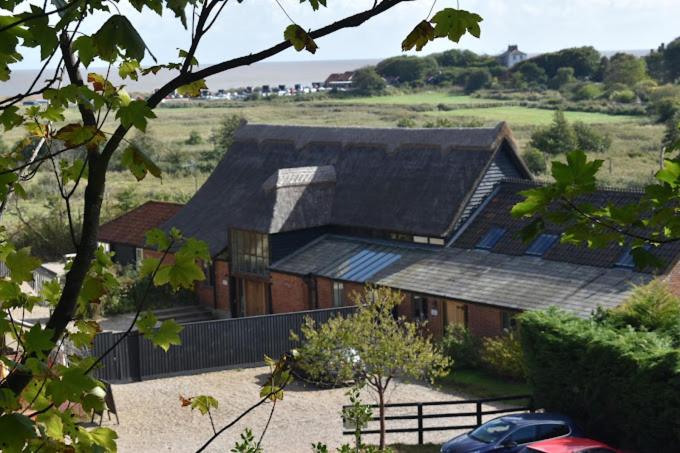

What dining options are available in Walberswick and Southwold?
Both villages feature a range of dining options, including traditional pubs, seafood restaurants, and casual cafes, with typical meal prices between EUR 15 and 25 per person.
Walberswick has several pubs such as The Bell on High Street and The Anchor on Ferry Road, where diners can enjoy locally sourced seafood and classic British dishes while hearing the murmur of conversation and the occasional clink of glasses. Southwold’s food scene includes bakeries, ice cream parlours, and restaurants near Southwold Pier. Notable spots like The Crown on High Street and The Sole Bay Inn provide seasonal menus and outdoor seating, often accompanied by the salty breeze. Many venues emphasize regional ingredients, including Suffolk oysters and freshly caught fish. Checking opening hours is wise, as some close midweek outside the summer season.
“Walberswick’s windswept marshes and quiet, shingle-strewn beach contrast beautifully with Southwold’s vibrant pier and bustling market, revealing two villages that pulse with distinct rhythms yet share a timeless Suffolk charm only locals truly savor.”
What cultural events or festivals take place in Walberswick and Southwold?
Annual events such as the Southwold Arts Festival in May and the Walberswick Regatta in August highlight local culture and community traditions.
The Southwold Arts Festival features classical music concerts, art exhibitions, and literary talks held at venues including Southwold Town Hall and St Edmund's Church, filling the air with melodies and lively discussions. The Walberswick Regatta is a traditional sailing event attracting competitors and spectators, accompanied by food stalls and live music along Ferry Road, where the scent of grilled food mixes with sea air. Southwold also hosts a Christmas market and seasonal fairs that draw visitors from the wider region. These events provide opportunities to engage with local customs and crafts, often including displays of Suffolk-made products. Visitors should check event dates ahead of travel, as schedules can vary each year.
What practical information should visitors know about Walberswick and Southwold?
Visitors should note that public transport options are limited outside peak seasons, and many local businesses operate seasonally, with reduced hours in winter.
The nearest railway station to Southwold is Darsham, approximately 15 kilometres away, with regular bus services connecting to both villages. Car parking is available at Southwold Town Centre car park and Walberswick village car park on Church Road, though spaces fill quickly during summer weekends. The local currency is the British Pound (GBP), but prices converted here are approximate in euros. Mobile phone coverage is generally good, though some rural spots in Walberswick have weaker signals. Public toilets and visitor information centres are located in Southwold near the pier, with fewer facilities in Walberswick. Carrying cash is advisable for smaller purchases, especially in Walberswick.
What local insights can enhance a visit to Walberswick and Southwold?
Locals often recommend visiting early in the morning or late afternoon to avoid crowds and enjoy the quieter atmosphere of the villages.
Walking along the beach towards the River Blyth estuary features chances to see seals and shorebirds, especially outside the busy summer months. Many residents support independent shops and cafes such as The Little Fish Market in Southwold, so purchasing from local artisans helps sustain the community. Seasonal markets on weekends at Market Place feature fresh produce and crafts, filling the air with scents of baked goods and herbs. Visitors can save money by dining at lunchtime when several eateries offer set menus at reduced prices. Additionally, guided nature walks led by local volunteers, available from April to September, provide deeper insight into the area's ecology and history.


