

Suffolk, in the East of England, is a county full of history, natural landscapes, and cultural landmarks. Covering roughly 3,800 square kilometres, it has a population near 760,000. Visitors to Suffolk encounter a range of attractions from medieval towns and coastal villages to wide nature reserves. Ipswich, the county town, lies about 110 kilometres northeast of London and blends heritage with modern life. Admission fees at many heritage sites usually fall between EUR 8 and EUR 15, making them affordable for most travellers. Suffolk’s compact size means key attractions are within a 30 to 60-minute drive, allowing for well-planned day trips throughout the region.
What are the top historical attractions to visit in Suffolk?
Suffolk’s leading historical sites include Framlingham Castle, Sutton Hoo, and Lavenham’s medieval village, each revealing different periods of English history.
Framlingham Castle, in the market town of Framlingham, dates back to the 12th century and features imposing curtain walls and towers. Admission is about EUR 10 for adults, with guided tours available on weekends. At Sutton Hoo, near Woodbridge, visitors encounter the Anglo-Saxon ship burial site and its artefacts; entry costs around EUR 14 and includes access to the museum and grounds.
Lavenham, about a 45-minute drive from Ipswich, is one of England’s best-preserved medieval wool towns. Walking its cobbled streets, visitors see timber-framed buildings from the 15th and 16th centuries, while the air carries the faint scent of aged wood and local bakeries. Several small museums and craft shops line the village, offering a glimpse into Suffolk’s rich past. These sites are accessible by car or public transport and provide a tangible connection to the county’s historical heritage.
Which Suffolk coastal spots are worth visiting?
Notable Suffolk coastal locations include Southwold, Aldeburgh, and Orford Ness, each presenting distinct seaside atmospheres.
Southwold is a traditional seaside town with a working pier, the Southwold Lighthouse, and brightly coloured beach huts. Located about 35 kilometres northeast of Ipswich, it can be reached by bus or car in under an hour. The salty sea air mingles with aromas from local fish and chips shops, while the gentle crashing of waves provides a soothing soundtrack. Fresh seafood is widely available at local eateries, and sandy beaches invite leisurely strolls.
Aldeburgh, roughly 25 kilometres north of Ipswich, features a shingle beach and hosts the annual Aldeburgh Festival of music and arts every June. The town’s maritime museum tells stories of its fishing heritage, and the well-known Aldeburgh Fish and Chip Shop draws visitors with its fresh, locally caught fish. The sound of seagulls and distant boat horns add to the coastal setting.
Orford Ness is a National Nature Reserve reached by a short ferry ride from Orford village. Its shingle landscapes stretch along the shore, dotted with Cold War-era military structures. Entry to the reserve is free, though ferry tickets cost about EUR 8 return. The quiet lapping of water and calls of coastal birds accompany visitors as they walk the reserve. These coastal spots blend natural scenery with local history, making them suitable for day trips.
What are the best nature reserves and parks in Suffolk?
Suffolk’s nature reserves like RSPB Minsmere, Thetford Forest, and Dedham Vale provide chances for wildlife watching and outdoor recreation.
The RSPB Minsmere Reserve, near Leiston, is internationally recognised for birdwatching and conservation. Entry costs around EUR 15, and visitors can follow walking trails or stay in hides to watch species such as bitterns and marsh harriers. The sounds of bird calls fill the air, while reed beds rustle gently in the breeze.
Thetford Forest, straddling the Suffolk-Norfolk border, features extensive routes for walking, cycling, and horse riding. Entry is free, with parking charged at roughly EUR 5 per day. The scent of pine and fresh woodland fills this vast area, and the crunch of footsteps on forest trails adds to the immersive natural setting.
Dedham Vale, an Area of Outstanding Natural Beauty on the Suffolk-Essex border, is closely linked to painter John Constable. Visitors can enjoy riverside walks along the River Stour and visit nearby villages like Dedham, where the gentle flow of the river and rustle of leaves create a peaceful atmosphere. These green spaces can be reached by car or local buses and provide a contrast to Suffolk’s historical sites.
How can visitors access Suffolk’s attractions using public transportation?
Public transportation in Suffolk includes trains and buses connecting main towns and key sites, though some rural areas require extra planning.
Greater Anglia runs trains linking Ipswich with London Liverpool Street in about 1 hour and 15 minutes; trains also connect Ipswich to Lowestoft, Norwich, and Cambridge. Bus services by companies like First Eastern Counties cover routes between Ipswich, Bury St Edmunds, and coastal towns such as Southwold and Aldeburgh.
For more remote locations like Sutton Hoo or Orford Ness, visitors often combine bus travel with walking or taxis. Checking timetables in advance is recommended, especially on weekends and public holidays when service frequency may be reduced. Local bus tickets generally cost between EUR 3 and EUR 6 per journey, while train fares from London to Ipswich start at about EUR 20 one way.
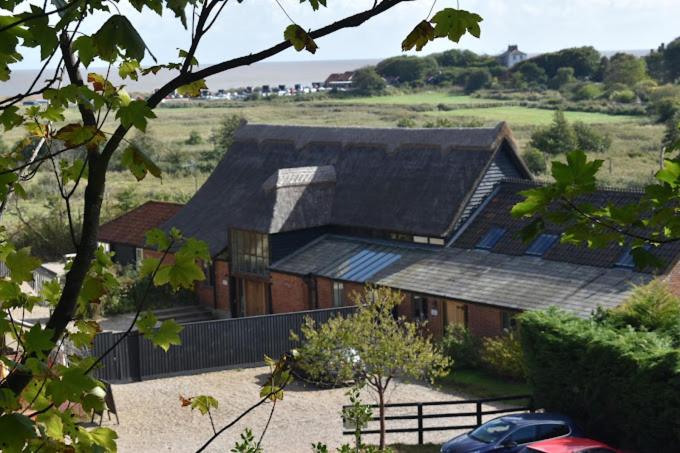
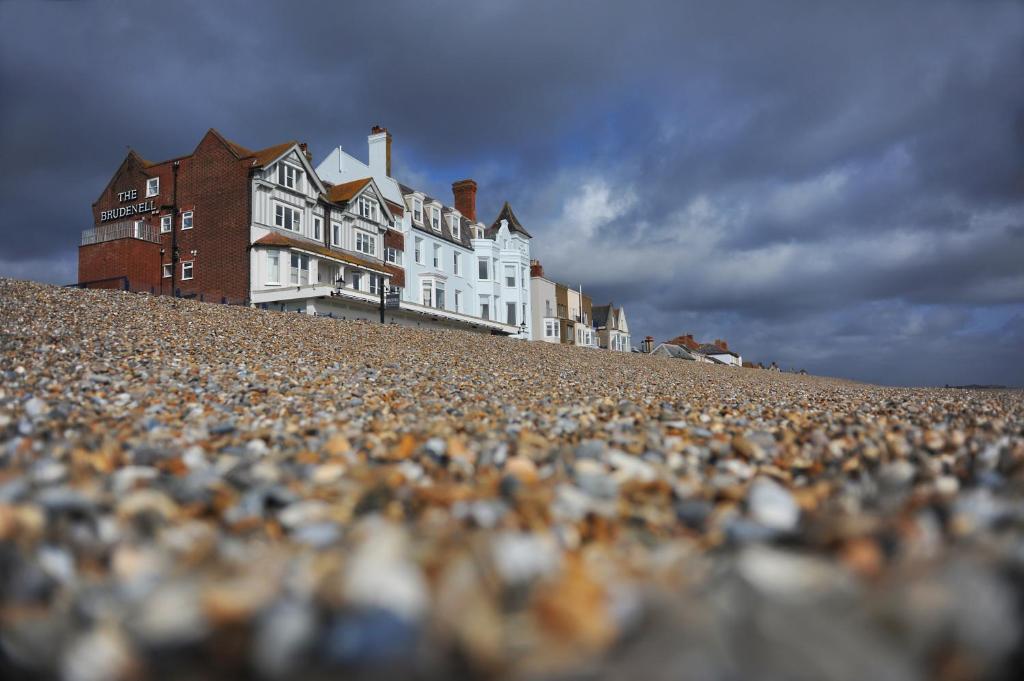
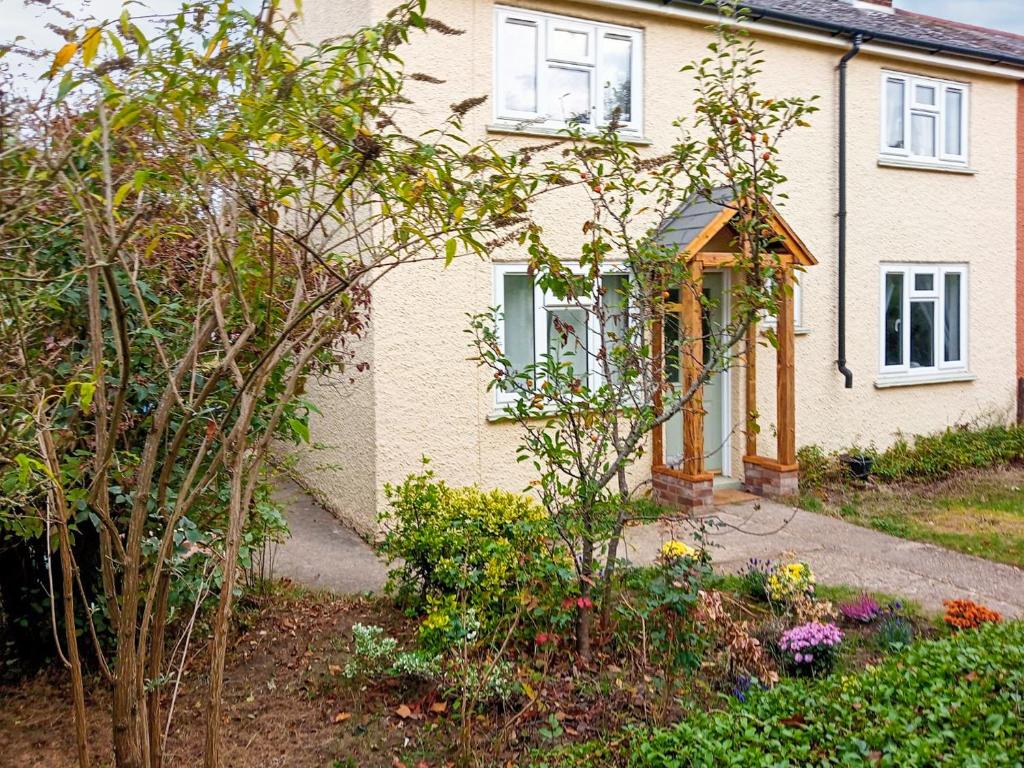
Where to Stay in Suffolk



Which museums in Suffolk provide the best insights into local culture?
Suffolk’s museums such as Ipswich Museum, the Ancient House Museum in Bury St Edmunds, and the Museum of East Anglian Life offer detailed views of the county’s cultural heritage.
Ipswich Museum, located on High Street, holds collections including archaeology, natural history, and fine art. Admission is free, though special exhibitions might require a fee. The Ancient House Museum in Bury St Edmunds features Tudor architecture and exhibits on local history, with entry around EUR 7.
The Museum of East Anglian Life, on the outskirts of Stowmarket, focuses on rural and farming history, with interactive displays and demonstration events. Admission costs approximately EUR 12. These museums usually open from 10:00 to 17:00 and can be reached by public transport or car.
“Ipswich’s charm lies in its hidden corners—wander the waterfront at dawn when the mist softens the river’s edge, and don’t miss the whispered stories tucked inside the ancient Christchurch Mansion’s walls.”
What local foods and markets should visitors try in Suffolk?
Suffolk’s local cuisine highlights fresh seafood, Suffolk ham, and traditional ales, with markets providing regional produce and artisanal goods.
The coastal towns of Southwold and Aldeburgh are known for fish and chips made from locally caught cod and plaice. Suffolk ham, cured from local pork, is available in many delis and markets.
Weekly markets in Ipswich and Bury St Edmunds feature stalls selling seasonal fruits, vegetables, cheeses, and baked goods. The Ipswich Farmers’ Market, held monthly on the first Saturday, is a good spot to find organic and speciality items. Prices generally range from EUR 3 to 5 for fresh pastries and EUR 5 to 10 for artisanal cheeses. Sampling these foods provides a taste of Suffolk’s agricultural traditions.
What are some lesser-known Suffolk attractions favored by locals?
In addition to main tourist sites, locals often visit places like Ickworth House, the village of Walberswick, and the Suffolk Punch Trust.
Ickworth House, near Bury St Edmunds, is a neoclassical mansion set in extensive parkland, featuring a collection of art and antiques. Entry costs about EUR 13, with extra charges for guided tours. Walberswick is a quiet coastal village popular for walking and birdwatching, accessible by a 15-minute ferry ride from Southwold.
The Suffolk Punch Trust, near Woodbridge, focuses on preserving the Suffolk Punch horse breed. Visitors can see these rare horses and learn about their history. These spots provide quieter alternatives to busier locations and are worth considering for a more relaxed visit.
What practical information should visitors know about Suffolk attractions?
Most Suffolk attractions open from 10:00 to 17:00, with some closing one day per week, often Monday or Tuesday.
Admission fees vary from free to around EUR 15, with discounts commonly available for seniors, children, and families. Many sites accept card payments, but carrying some cash is advisable, especially in smaller villages.
Parking is generally available at major attractions, with fees between EUR 3 and EUR 7 per day. Walking between sites in towns like Ipswich or Lavenham is practical, as distances are usually under 20 minutes on foot. For more remote locations, renting a car or using local taxis may be necessary. Planning ahead for opening hours and transport options will help visits run smoothly.
Frequently Asked Questions
5 platforms, one search for suffolk
Booking.com, Hotels.com, Expedia, Agoda & Trip.com





Thousands of travelers compare prices before booking — you should too


