

Suffolk is a county in the East of England known for its varied landscapes, historic sites, and coastal areas. Covering approximately 3,800 square kilometers, Suffolk presents a blend of rural countryside and cultural heritage. Ipswich, the county town located about 110 kilometers northeast of London, acts as a practical starting point for visits. Accommodation prices in Ipswich typically range from EUR 70 to 130 per night depending on the season, accommodating a range of budgets.
With a coastline stretching over 90 kilometers, Suffolk invites visitors to walk the Suffolk Coast Path, listen to seabirds at reserves like RSPB Minsmere, or try watersports near Felixstowe. Inland, the Suffolk Coast and Heaths Area of Outstanding Natural Beauty covers 403 square kilometers, featuring heathlands, marshes, and woodlands. This guide outlines activities, attractions, travel tips, and local perspectives to help plan a complete visit.
Where to stay in Suffolk
Live rates from Booking.com, Agoda, Hotels.com and more — stays picked by review score.
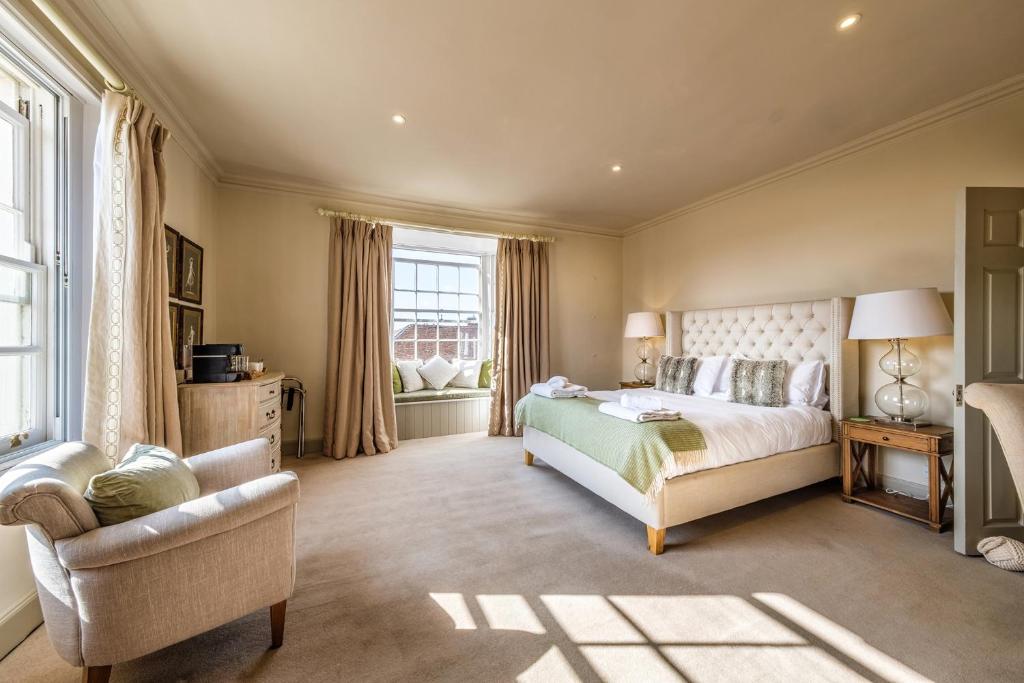


The Great House Lavenham Hotel & Restaurant
from £186.18
Prices and availability shown on partner sites at time of click. We may earn a commission.
Ipswich on the map
Hotels and dining around Ipswich, with live ratings.
What are the top historic sites to visit in Suffolk?
Suffolk's leading historic sites include Framlingham Castle, Sutton Hoo Anglo-Saxon burial site, and the medieval village of Lavenham, each revealing layers of English history from the 12th century through Tudor times.
Framlingham Castle stands in the market town of Framlingham with imposing 12th-century curtain walls and towers. Visitors can hear the echoes of history as they walk the battlements. Entry costs around EUR 8.50 for adults, with opening hours from 10:00 to 17:00 daily.
At Sutton Hoo near Woodbridge, the scent of damp earth mixes with the stillness of the burial mounds where an Anglo-Saxon ship was found in 1939. The visitor centre displays artefacts and reconstructions; admission is about EUR 13 per adult.
The village of Lavenham features timber-framed buildings and the Guildhall, its narrow streets evoking the 15th and 16th centuries. Passing under wooden beams, visitors can almost hear the footsteps of past residents. Many buildings remain private, but guided tours for around EUR 10 last 90 minutes.
How can visitors enjoy Suffolk's natural landscapes?
Walking in the Suffolk Coast and Heaths AONB, birdwatching at RSPB Minsmere, and cycling quiet country lanes along the Suffolk Coast Cycle Route are excellent ways to engage with Suffolk’s natural environment.
The Suffolk Coast and Heaths Area of Outstanding Natural Beauty spans 403 square kilometers of heathlands, marshes, and estuaries. As you hike routes like the Sandlings Walk, which stretches up to 91 kilometers, the scent of gorse and salt air fills the breeze. Shorter sections suit day hikes.
At RSPB Minsmere near Leiston, visitors can hear reed warblers and catch glimpses of bitterns, marsh harriers, and avocets. Entry costs about EUR 12 per adult, with the visitor centre open from 09:00 to 17:00. Well-maintained hides and paths make the reserve accessible for all ages.
Cyclists can follow the Suffolk Coast Cycle Route, a 90-kilometer path passing through villages such as Aldeburgh and Southwold. The route winds past nature reserves and quiet lanes. Bike rentals are available in these towns, with daily rates from EUR 15.
What cultural activities are available in Suffolk?
Cultural options include classical concerts at Snape Maltings Concert Hall, art galleries in Ipswich, and traditional festivals like the Aldeburgh Music Festival.
Snape Maltings Concert Hall, near the village of Snape, hosts classical music events year-round. The acoustics fill the space with rich tones. Tickets typically range from EUR 20 to 60 depending on the performance. The venue also contains shops and cafes for a relaxed visit.
Christchurch Mansion in Ipswich houses fine art collections and historical exhibits. Visitors can admire paintings and period interiors for around EUR 6 entry. Ipswich also supports independent galleries displaying works by local artists.
The Aldeburgh Music Festival occurs annually in June, drawing international musicians. Concerts take place in venues including St Peter and St Paul's Church and Snape Maltings. Booking ahead is advised, with ticket prices varying by event.
Where can visitors find the best coastal towns in Suffolk?
Southwold, Aldeburgh, and Felixstowe are coastal towns featuring beaches, piers, and markets with fresh seafood.
Southwold’s colorful beach huts brighten the shore, while the 192-meter pier charges about EUR 3 for entry. The Southwold Lighthouse stands tall nearby. Cafes and pubs serve fresh seafood, and the beach itself is free to access.
Aldeburgh has a shingle beach and a historic fish market offering fresh catches. The walk from Aldeburgh beach into town takes about 10 minutes. The town also has art galleries and traditional shops lining its streets.
Felixstowe is Suffolk’s largest port with a long sandy beach and promenades. Well connected by train from Ipswich in roughly 25 minutes, the town features parks and gardens popular with families.
Where to Stay in Suffolk


How do visitors get around Suffolk efficiently?
Traveling by car is the most flexible way to navigate Suffolk, while trains and buses link main towns and some rural spots.
Driving provides access to countryside and coastal villages often unreachable by public transport. Car hire in Ipswich starts around EUR 35 per day. Roads are generally in good condition, and most destinations lie within 1-2 hours’ drive from Ipswich.
Trains from Ipswich railway station connect to towns like Bury St Edmunds, Lowestoft, and Felixstowe. A single ticket to Bury St Edmunds costs about EUR 12, with trains running every 30-60 minutes.
Local buses serve smaller villages but may have limited schedules, especially on weekends. Suffolk County Council features route maps and timetables. Walking between nearby attractions in towns such as Woodbridge usually takes 10-20 minutes.
“Wandering through Ipswich, you’ll feel the salty breeze from the Orwell mingling with centuries of history in every cobbled street—don’t miss the quiet charm of the waterfront cafes where locals swap stories over steaming cups of coffee.”
What are some practical tips for visiting Suffolk?
Be prepared for changeable weather, book accommodation early in summer, and consider National Trust or English Heritage passes for discounts at historic sites.
Suffolk’s weather varies, with summer temperatures averaging 18-22°C and occasional rain showers. Packing layers and waterproof clothing is wise.
Accommodations include country inns, B&Bs, and self-catering cottages. Early booking for July and August is recommended due to limited availability.
Many historic sites and gardens are managed by National Trust or English Heritage. Day passes costing around EUR 40 grant access to multiple properties and can reduce overall expenses when visiting several locations.
What local experiences do Suffolk residents enjoy?
Locals often take countryside walks, attend seasonal farmers' markets in Ipswich and Bury St Edmunds, and visit nature reserves like Carlton Marshes near Lowestoft for birdwatching.
Country walks through areas such as Dedham Vale AONB provide fresh air and views of historic villages and riverbanks. The quiet paths are filled with birdsong and rustling leaves.
Farmers' markets in Ipswich and Bury St Edmunds run weekly, featuring local cheeses, baked goods, and produce priced between EUR 2 and 15.
Carlton Marshes nature reserve, near Lowestoft, features peaceful walking trails and observation hides. Entry is free, making it a tranquil spot for spotting wildlife away from tourist crowds.
Where can visitors find good food and drink in Suffolk?
Suffolk’s food scene includes traditional pubs with local ales, seafood restaurants along the coast, and farm shops selling regional produce.
Pubs like The Plough in Orford serve dishes featuring Suffolk pork, locally caught fish, and seasonal vegetables. Main courses generally cost between EUR 12 and 25.
Seafood eateries in coastal towns offer fresh smoked mackerel and oysters. Aldeburgh Fish and Chips is a popular spot, with portions priced around EUR 8-12.
Farm shops and delicatessens stock Suffolk cheeses, jams, and ciders. Sampling is often available before purchase. Some farms also serve afternoon tea with homemade cakes for about EUR 10.
Frequently Asked Questions
5 platforms, one search for suffolk
Booking.com, Hotels.com, Expedia, Agoda & Trip.com





Thousands of travelers compare prices before booking — you should too


