JustSuffolk.com
    GUIDES
    EAT
    STAY
    INTERESTS
    ABOUT SUFFOLK
    Contact Us

    Learn practical details on traveling to Suffolk by train, car, or air. Includes travel times from London, nearby airports, and cost-saving tips for smoother journeys.

    Published: 4/11/2026
    Last Published: 4/11/2026
    Updated: 4/11/2026
    Category: Travel Tips
    Reading time: 6 minutes
    Word count: 1034 words
    00
    Content type: AI-assisted (claude-sonnet+gpt4.1-mini (3-stage))
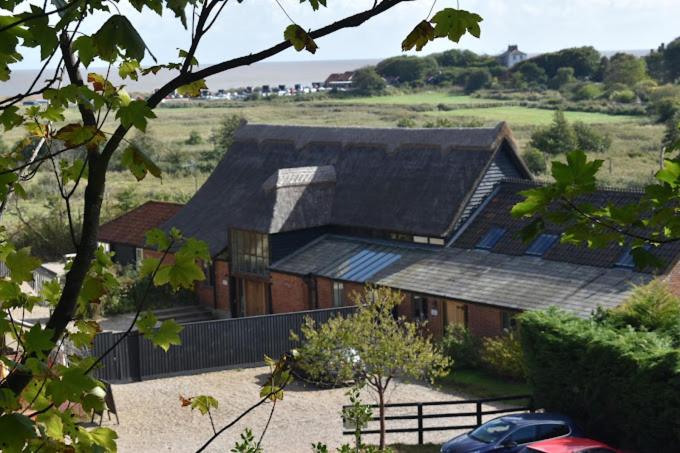
    Featured image for Getting to Suffolk: Trains, Driving, and Airports
    Travel Tips

    Getting to Suffolk: Trains, Driving, and Airports

    Learn practical details on traveling to Suffolk by train, car, or air. Includes travel times from London, nearby airports, and cost-saving tips for smoother journeys.

    Apr 11, 2026
    6 min read
    1. Travel Guides
    2. Getting to Suffolk: Trains, Driving, and Airports
    1. Home
    2. Travel Guides
    3. Getting to Suffolk: Trains, Driving, and Airports
    ContentsWhat is the best train route to Suffolk from London?How can I drive to Suffolk from London and what should I expect?Which airports serve Suffolk and what are the onward transport options?What are the public transport options within Suffolk after arrival?Are there any cost-saving tips for traveling to Suffolk?What should international visitors know about UK transportation regulations?Where can I find local insights about Suffolkโ€™s transport and travel?
    Suffolk, located in East Anglia, England, is accessible by multiple transportation methods, making it a practical destination for international visitors. The county spans over 3,800 square kilometers, with Ipswich as its largest town. Traveling from London to Ipswich by train takes approximately 1 hour and 10 minutes, with ticket prices ranging from EUR 20 to 40 depending on the time and booking method. Alternatively, driving from London covers about 110 kilometers and takes around 2 hours via the A12. For air travelers, the nearest major airports are London Stansted Airport, 70 kilometers southwest of Ipswich near Bishop's Stortford, and Norwich Airport, approximately 90 kilometers to the north near Horsham St Faith. Both airports connect Suffolk to domestic and European destinations, with ground transportation options available for onward travel.
    What is the best train route to Suffolk from London?
    The fastest and most convenient train route from London to Suffolk is via Greater Anglia services departing from London Liverpool Street to Ipswich, taking roughly 1 hour and 10 minutes with trains running every 30 minutes during peak times.

    From the platforms, you can hear the rhythmic clatter of wheels on rails and the murmur of fellow passengers settling in. Ipswich station, located on Cardinal Park Road, is a hub with clear signage and ticket offices. Outside, the crisp air carries the faint scent of nearby cafes brewing fresh coffee. Connections extend to towns such as Bury St Edmunds and Lowestoft, making onward travel straightforward.

    For travelers arriving at London airports, London Liverpool Street station is accessible by the Central and Circle lines on the London Underground and various bus services. It is advisable to check live schedules on the Greater Anglia website or National Rail Enquiries for real-time updates and ticket options.
    How can I drive to Suffolk from London and what should I expect?
    Driving from London to Suffolk typically takes about 2 hours covering approximately 110 kilometers via the A12, with well-maintained roads and clear signage along the route.

    The journey winds through Chelmsford and Colchester, where the scent of fresh countryside mingles with the occasional aroma of roadside eateries. Along the way, you might hear the hum of engines and birdsong in quieter stretches. Traffic can be heavier during weekday rush hours, so planning travel outside peak times can reduce delays. Parking in Ipswich town center, including the St Maryโ€™s Street Car Park, ranges from EUR 1.50 to 3 per hour, with several public car parks available.

    International visitors should note that driving in the UK requires a valid driving license and insurance. Petrol prices average around EUR 1.70 per liter. Renting a car is straightforward, with major rental companies operating from London Heathrow, London Gatwick, and London Stansted airports as well as city centers.

    Getting to Suffolk

    Location of Getting to Suffolk

    Which airports serve Suffolk and what are the onward transport options?
    London Stansted Airport is the closest major airport to Suffolk, located approximately 70 kilometers from Ipswich, with Norwich Airport also serving the region at about 90 kilometers away, both providing domestic and European flight connections.

    At Stansted, the buzz of arrivals and departures fills the air alongside announcements over the PA system. Ground transportation options include the Stansted Express train to London Liverpool Street, coach services such as National Express, and taxis heading towards Suffolk. From London Liverpool Street, Greater Anglia trains run frequently to Ipswich.

    Norwich Airport mainly serves domestic and some European routes. From Norwich, rail services run from Norwich station to Ipswich, taking about 1 hour and 30 minutes, and bus connections are available though less frequent. Planning transfers in advance is recommended, particularly for late arrivals or early departures.
    What are the public transport options within Suffolk after arrival?
    Suffolkโ€™s public transport network includes trains, buses, and taxis, enabling convenient travel between towns and local attractions.

    Onboard Greater Anglia trains connecting Ipswich to Bury St Edmunds, Lowestoft, and Felixstowe, passengers can watch fields and quaint villages pass by. Bus services, operated by First Eastern Counties and Borderbus, cover rural areas and smaller villages but may have limited schedules, especially on weekends. The low hum of engines and occasional bird calls create a calm atmosphere.

    Taxis and private hire vehicles are widely available in larger towns like Ipswich, Woodbridge, and Stowmarket, providing flexible options. Cycling is popular in Suffolk, with designated routes such as the Suffolk Coast Cycle Route and bike hire options in Ipswich and its surroundings, where the scent of sea salt often drifts on the breeze.

    Where to Stay in Suffolk

    See all โ†’
    The Black Lion, Long Melford

    The Black Lion, Long Melford

    9.3from โ‚ฌNaN
    Compare Rates โ†’
    The Packhorse Inn

    The Packhorse Inn

    9.3from โ‚ฌNaN
    Compare Rates โ†’
    The Pear Tree Inn

    The Pear Tree Inn

    9.2from โ‚ฌNaN
    Compare Rates โ†’
    The Great House Lavenham Hotel & Restaurant

    The Great House Lavenham Hotel & Restaurant

    9.2from โ‚ฌNaN
    Compare Rates โ†’
    Dingle Marsh Barns

    Dingle Marsh Barns

    9.2from โ‚ฌNaN
    Compare Rates โ†’
    Retreat East

    Retreat East

    9.0from โ‚ฌNaN
    Compare Rates โ†’
    Are there any cost-saving tips for traveling to Suffolk?
    Booking train tickets in advance and traveling outside peak hours can reduce costs significantly, with advance fares sometimes as low as EUR 12 one way.

    Railcards like the UKโ€™s Two Together or Group Travelcards offer discounts for eligible travelers. Driving expenses can be lowered by car-sharing or selecting fuel-efficient routes. The regular sound of trains and buses can be a reminder to plan ahead for the best prices.

    Airport transfers tend to be cheaper by using scheduled buses like National Express coaches rather than taxis. Suffolkโ€™s local bus services offer day passes costing around EUR 5-7, which are economical for multiple trips within Ipswich and the wider Suffolk area.
    "Getting to Suffolk feels like stepping into a slower rhythmโ€”whether youโ€™re rolling through Ipswich stationโ€™s historic arches or cruising along the serene A12, the journey invites you to breathe in the salty sea air before youโ€™ve even unpacked. Locals know that timing your arrival around the quieter off-peak trains or flights makes all the difference in savoring this coastal escape."

    Luca Moretti - Regional Travel Consultant

    What should international visitors know about UK transportation regulations?
    International visitors driving in Suffolk must carry a valid driving license recognized in the UK, appropriate insurance, and comply with UK road rules including driving on the left side.

    Speed limits are posted in miles per hour, with 30 mph in towns such as Ipswich and Bury St Edmunds, and 60-70 mph on motorways and major roads like the A12. The sound of traffic enforcement cameras clicking can be heard in some areas. Using a mobile phone while driving without hands-free is illegal. Public transport tickets must be purchased before boarding where required.

    For train travel, having a printed or mobile ticket is necessary, and conductors regularly check fares. Visitors should also be aware that tipping taxi drivers around 10% is customary but not obligatory.
    Where can I find local insights about Suffolkโ€™s transport and travel?
    Local residents often recommend the Ipswich Transport Museum on Broke Hall Road for historical context and practical tips on navigating the areaโ€™s transport system.

    Many locals favor cycling for short distances within towns, aided by Suffolkโ€™s relatively flat terrain and dedicated cycle lanes. Seasonal bus passes are popular among regular commuters, reducing travel costs. The faint smell of old vehicles and polished brass permeates the museum.

    For up-to-date advice, visiting local council websites such as Suffolk County Councilโ€™s transport page provides current information on roadworks, bus timetables, and cycling routes. Regional travel forums and social media groups can offer recent traveler experiences and tips.

    Tags

    Suffolk travelIpswich transportationSuffolk airportstrain to Suffolkdriving to Suffolk
    Suffolk, located in East Anglia, England, is accessible by multiple transportation methods, making it a practical destination for international visitors. The county spans over 3,800 square kilometers, with Ipswich as its largest town. Traveling from London to Ipswich by train takes approximately 1 hour and 10 minutes, with ticket prices ranging from EUR 20 to 40 depending on the time and booking method. Alternatively, driving from London covers about 110 kilometers and takes around 2 hours via the A12. For air travelers, the nearest major airports are London Stansted Airport, 70 kilometers southwest of Ipswich near Bishop's Stortford, and Norwich Airport, approximately 90 kilometers to the north near Horsham St Faith. Both airports connect Suffolk to domestic and European destinations, with ground transportation options available for onward travel.

    What is the best train route to Suffolk from London?

    The fastest and most convenient train route from London to Suffolk is via Greater Anglia services departing from London Liverpool Street to Ipswich, taking roughly 1 hour and 10 minutes with trains running every 30 minutes during peak times.

    From the platforms, you can hear the rhythmic clatter of wheels on rails and the murmur of fellow passengers settling in. Ipswich station, located on Cardinal Park Road, is a hub with clear signage and ticket offices. Outside, the crisp air carries the faint scent of nearby cafes brewing fresh coffee. Connections extend to towns such as Bury St Edmunds and Lowestoft, making onward travel straightforward.

    For travelers arriving at London airports, London Liverpool Street station is accessible by the Central and Circle lines on the London Underground and various bus services. It is advisable to check live schedules on the Greater Anglia website or National Rail Enquiries for real-time updates and ticket options.

    How can I drive to Suffolk from London and what should I expect?

    Driving from London to Suffolk typically takes about 2 hours covering approximately 110 kilometers via the A12, with well-maintained roads and clear signage along the route.

    The journey winds through Chelmsford and Colchester, where the scent of fresh countryside mingles with the occasional aroma of roadside eateries. Along the way, you might hear the hum of engines and birdsong in quieter stretches. Traffic can be heavier during weekday rush hours, so planning travel outside peak times can reduce delays. Parking in Ipswich town center, including the St Maryโ€™s Street Car Park, ranges from EUR 1.50 to 3 per hour, with several public car parks available.

    International visitors should note that driving in the UK requires a valid driving license and insurance. Petrol prices average around EUR 1.70 per liter. Renting a car is straightforward, with major rental companies operating from London Heathrow, London Gatwick, and London Stansted airports as well as city centers.

    Getting to Suffolk

    Location of Getting to Suffolk

    Which airports serve Suffolk and what are the onward transport options?

    London Stansted Airport is the closest major airport to Suffolk, located approximately 70 kilometers from Ipswich, with Norwich Airport also serving the region at about 90 kilometers away, both providing domestic and European flight connections.

    At Stansted, the buzz of arrivals and departures fills the air alongside announcements over the PA system. Ground transportation options include the Stansted Express train to London Liverpool Street, coach services such as National Express, and taxis heading towards Suffolk. From London Liverpool Street, Greater Anglia trains run frequently to Ipswich.

    Norwich Airport mainly serves domestic and some European routes. From Norwich, rail services run from Norwich station to Ipswich, taking about 1 hour and 30 minutes, and bus connections are available though less frequent. Planning transfers in advance is recommended, particularly for late arrivals or early departures.

    What are the public transport options within Suffolk after arrival?

    Suffolkโ€™s public transport network includes trains, buses, and taxis, enabling convenient travel between towns and local attractions.

    Onboard Greater Anglia trains connecting Ipswich to Bury St Edmunds, Lowestoft, and Felixstowe, passengers can watch fields and quaint villages pass by. Bus services, operated by First Eastern Counties and Borderbus, cover rural areas and smaller villages but may have limited schedules, especially on weekends. The low hum of engines and occasional bird calls create a calm atmosphere.

    Taxis and private hire vehicles are widely available in larger towns like Ipswich, Woodbridge, and Stowmarket, providing flexible options. Cycling is popular in Suffolk, with designated routes such as the Suffolk Coast Cycle Route and bike hire options in Ipswich and its surroundings, where the scent of sea salt often drifts on the breeze.

    Are there any cost-saving tips for traveling to Suffolk?

    Booking train tickets in advance and traveling outside peak hours can reduce costs significantly, with advance fares sometimes as low as EUR 12 one way.

    Railcards like the UKโ€™s Two Together or Group Travelcards offer discounts for eligible travelers. Driving expenses can be lowered by car-sharing or selecting fuel-efficient routes. The regular sound of trains and buses can be a reminder to plan ahead for the best prices.

    Airport transfers tend to be cheaper by using scheduled buses like National Express coaches rather than taxis. Suffolkโ€™s local bus services offer day passes costing around EUR 5-7, which are economical for multiple trips within Ipswich and the wider Suffolk area.
    โ€œ
    โ€œGetting to Suffolk feels like stepping into a slower rhythmโ€”whether youโ€™re rolling through Ipswich stationโ€™s historic arches or cruising along the serene A12, the journey invites you to breathe in the salty sea air before youโ€™ve even unpacked. Locals know that timing your arrival around the quieter off-peak trains or flights makes all the difference in savoring this coastal escape.โ€
    Luca Moretti/ Regional Travel Consultant

    What should international visitors know about UK transportation regulations?

    International visitors driving in Suffolk must carry a valid driving license recognized in the UK, appropriate insurance, and comply with UK road rules including driving on the left side.

    Speed limits are posted in miles per hour, with 30 mph in towns such as Ipswich and Bury St Edmunds, and 60-70 mph on motorways and major roads like the A12. The sound of traffic enforcement cameras clicking can be heard in some areas. Using a mobile phone while driving without hands-free is illegal. Public transport tickets must be purchased before boarding where required.

    For train travel, having a printed or mobile ticket is necessary, and conductors regularly check fares. Visitors should also be aware that tipping taxi drivers around 10% is customary but not obligatory.

    Where can I find local insights about Suffolkโ€™s transport and travel?

    Local residents often recommend the Ipswich Transport Museum on Broke Hall Road for historical context and practical tips on navigating the areaโ€™s transport system.

    Many locals favor cycling for short distances within towns, aided by Suffolkโ€™s relatively flat terrain and dedicated cycle lanes. Seasonal bus passes are popular among regular commuters, reducing travel costs. The faint smell of old vehicles and polished brass permeates the museum.

    For up-to-date advice, visiting local council websites such as Suffolk County Councilโ€™s transport page provides current information on roadworks, bus timetables, and cycling routes. Regional travel forums and social media groups can offer recent traveler experiences and tips.

    Where to Stay in Suffolk

    See all โ†’
    The Black Lion, Long Melford

    The Black Lion, Long Melford

    9.3from โ‚ฌNaN
    Compare Rates โ†’
    The Packhorse Inn

    The Packhorse Inn

    9.3from โ‚ฌNaN
    Compare Rates โ†’
    The Pear Tree Inn

    The Pear Tree Inn

    9.2from โ‚ฌNaN
    Compare Rates โ†’
    The Great House Lavenham Hotel & Restaurant

    The Great House Lavenham Hotel & Restaurant

    9.2from โ‚ฌNaN
    Compare Rates โ†’
    Dingle Marsh Barns

    Dingle Marsh Barns

    9.2from โ‚ฌNaN
    Compare Rates โ†’
    Retreat East

    Retreat East

    9.0from โ‚ฌNaN
    Compare Rates โ†’

    Tags

    Suffolk travelIpswich transportationSuffolk airportstrain to Suffolkdriving to Suffolk

    You can find more great travel content in the following categories;

    Things to DoCoast & BeachesWhere to StayFood & DrinkWalks & OutdoorsHeritage & HistoryTravel Tips

    More Articles You Might Like

    Loading...
    Suffolk with Dogs: The Complete Pet-Friendly Guide

    Suffolk with Dogs: The Complete Pet-Friendly Guide

    Plan your Suffolk trip with dogs using this guide covering beaches, trails, accommodations, and transport. Includes fees from EUR 10 and distances up to 128 km.

    Read More
    Loading...
    Best Time to Visit Suffolk

    Best Time to Visit Suffolk

    Plan your Suffolk trip with insights on weather, events, and crowd levels. Average accommodation prices range from EUR 60-120, with key towns 20-40 km apart.

    Read More
    Loading...
    Suffolk Travel Guide: Everything You Need to Know

    Suffolk Travel Guide: Everything You Need to Know

    Plan your Suffolk trip with transport details, historical sites like Sutton Hoo, coastal access, and local culture. Train from London in 1 hour; entry fees from EUR 8-10.

    Read More
    Loading...
    Suffolk with Dogs: The Complete Pet-Friendly Guide

    Suffolk with Dogs: The Complete Pet-Friendly Guide

    Plan your Suffolk trip with dogs using this guide covering beaches, trails, accommodations, and transport. Includes fees from EUR 10 and distances up to 128 km.

    Read More
    Loading...
    Best Time to Visit Suffolk

    Best Time to Visit Suffolk

    Plan your Suffolk trip with insights on weather, events, and crowd levels. Average accommodation prices range from EUR 60-120, with key towns 20-40 km apart.

    Read More
    Loading...
    Suffolk Travel Guide: Everything You Need to Know

    Suffolk Travel Guide: Everything You Need to Know

    Plan your Suffolk trip with transport details, historical sites like Sutton Hoo, coastal access, and local culture. Train from London in 1 hour; entry fees from EUR 8-10.

    Read More
    Destination at a Glance
    Places to Stay505Restaurants92
    Travel Guides

    Loading guides...

    Where to stay in suffolk

    Booking.com
    Booking.com
    Hotels.com
    Hotels.com
    Expedia
    Expedia
    Agoda
    Agoda

    Never Miss a Story

    Get our latest travel guides and tips delivered straight to your inbox.

    You'll receive our newsletter. Unsubscribe anytime. Privacy Policy

    JustSuffolk.comAbout Suffolk

    ยฉ 2026 Visit.Network

    Suffolk Places to Stay

    • Hotels and Apartments in Suffolk
    • Hotels
    • Holiday Cottages
    • Apartments
    • Guesthouses
    • Inns

    Suffolk Interests

    • ๐Ÿ–๏ธ Coast & Beaches
    • ๐Ÿ˜๏ธ Medieval Villages
    • ๐Ÿบ Food & Drink
    • ๐Ÿฅพ Walking & Nature
    • ๐Ÿฐ Castles & Heritage
    • ๐ŸŽต Arts & Music
    • All Themes
    About UsContactPrivacy Policy
    ยฉ 2026 Visit.Network
    This site may contain affiliate links. We may earn a commission if you make a purchase through these links, at no extra cost to you.