

Suffolk, located in the East of England, features diverse landscapes ranging from rolling countryside to historic market towns such as Bury St Edmunds and Woodbridge, as well as coastal spots including Southwold and Aldeburgh. The region has a temperate maritime climate, with average temperatures from 3°C in January to 20°C in July. Accommodation costs peak in July and August, with hotel rates usually between EUR 90-120 per night, while quieter months like November and February see prices drop to EUR 60-75. Distances between key sites like Ipswich, Bury St Edmunds, and Southwold are typically 20 to 40 kilometres, allowing for convenient day trips year-round.
Ipswich on the map
Hotels and dining around Ipswich, with live ratings.
When is the best time to visit Suffolk for good weather?
The best time to visit Suffolk for pleasant weather is late May through early September, when temperatures average 15-20°C and rainfall is generally low.
During this period, the region enjoys its warmest and sunniest days, great for strolling along the Suffolk Coast Path, where the salty sea air mixes with wildflower scents. At Helmingham Hall, visitors can hear the gentle rustle of leaves in its historic gardens, while Framlingham Castle’s stone walls warm under the summer sun. July and August bring highs near 20°C but occasional showers may interrupt outdoor plans. In May and June, mild days and blooming meadows attract fewer visitors, providing a quieter atmosphere to appreciate the countryside.
From late September to November, temperatures cool and rainfall increases, though crisp, clear days invite walks near Dunwich and Southwold, where the sound of waves and seabirds fills the air. Winter months are colder and wetter, often dipping below 5°C, limiting outdoor activities.
What are the major events and festivals in Suffolk throughout the year?
Suffolk hosts key events mostly during summer, with highlights including the Latitude Festival in Southwold in July and the Aldeburgh Music Festival in June.
The Latitude Festival takes place at Henham Park near Southwold, drawing crowds for music, comedy, and theatre over a weekend in mid-July. Festival-goers hear lively performances amid the scent of grass and campfires, with weekend passes priced between EUR 150-200. The Aldeburgh Music Festival spans about two weeks in June, featuring classical and contemporary concerts held in historic settings like Snape Maltings Concert Hall, where the acoustics amplify every note.
Other notable gatherings include the Suffolk Show at Trinity Park, Ipswich in May, an agricultural fair showcasing local produce and livestock, and the Woodbridge Tide Mill Open Days during summer, where the creak of wooden gears can be heard. Planning visits around these events means busier venues and higher accommodation costs.
How crowded is Suffolk during peak tourist season?
Peak tourist season in Suffolk runs from late June to early September, with increased crowds especially in coastal towns like Southwold and Aldeburgh.
During these months, popular sites and beaches such as Southwold Beach fill with visitors, and walking routes like the Sandlings Walk see heavier foot traffic, particularly on weekends and holidays. The sound of seagulls mingles with chatter along the seafront, while accommodation prices rise and early booking is advised. Inland towns including Bury St Edmunds and Ipswich visit steadier visitor numbers all year but also note a summer uptick.
For those seeking quieter moments, travelling in shoulder seasons like May or September features milder weather with fewer people and more affordable lodging.
Where to stay in and around Ipswich
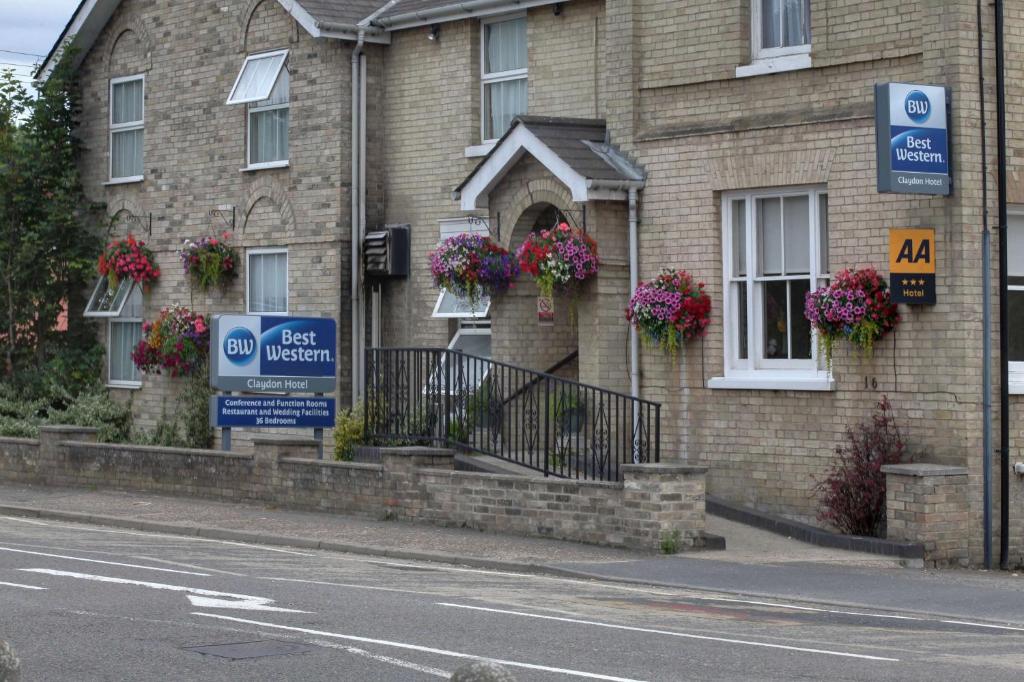
Live rates from Booking.com, Agoda, Hotels.com and more — nearby stays hand-picked by review score.


Partridge Lodge Self Catering houses
from £208.86

Prices and availability shown on partner sites at time of click. We may earn a commission.
What are the advantages of visiting Suffolk in the off-season?
Visiting Suffolk from October to April provides lower accommodation prices, less crowded attractions, and comfortable access to indoor sites.
During the off-season, hotels and guesthouses reduce rates by 20-40%, with average nightly costs falling to EUR 60-75. This quieter period suits visits to museums, galleries, and historic homes like Christchurch Mansion in Ipswich, where you can appreciate art and period rooms without interruption. At Ickworth House near Bury St Edmunds, the scent of aged wood and leather fills the air inside.
Weather can be unpredictable, with shorter daylight and more rain, so waterproof clothing is essential. Planning indoor activities helps make the most of these months.
Where to Stay in Suffolk


How does Suffolk’s natural environment change with the seasons?
Suffolk’s environment shifts clearly with the seasons: spring and summer reveal lush greenery along the coast and countryside; autumn brings vivid leaf colours; and winter exposes open, stark landscapes.
In spring, blooming fields and gardens fill the air with fresh scents, attracting birdwatchers to reserves like RSPB Minsmere, where migratory birds arrive in March and April, filling the skies with calls. Summer’s long days and warmth invite trips to beaches such as Aldeburgh, where the rhythmic crash of waves accompanies market sounds in Ipswich.
Autumn peaks in October and November, painting woodlands like Thetford Forest in reds and golds, ideal for photography and peaceful walks through rustling leaves. Winter reveals Suffolk’s agricultural roots beneath open skies, offering quiet countryside strolls and dark nights great for stargazing.
“The best time to visit Suffolk, especially Ipswich, is late spring when the river breeze carries the scent of blossoming hawthorn and the town hums with life, yet the crowds haven’t arrived—perfect for savoring quiet riverside walks and local markets.”
What practical tips should visitors consider when planning their trip to Suffolk?
Book accommodation early for summer, check event dates, and prepare for changing weather throughout the year.
Public transport links major towns, but reaching rural and coastal spots often requires a car. Ipswich railway station connects to London Liverpool Street in about 1 hour 10 minutes, with fares typically between EUR 25-40 one way. Layered clothing and waterproofs are advisable year-round due to quickly shifting weather. Sturdy shoes are recommended for walking routes. Currency exchange is straightforward, and most places accept cards. Tourist information centres in Ipswich and Bury St Edmunds provide current advice and detailed maps.
Local insights: How do residents spend their time in Suffolk throughout the year?
Suffolk residents engage with the outdoors according to the season. In spring and summer, locals visit farmers’ markets like Ipswich Farmers Market, enjoy coastal walks along the Suffolk Coast, and sail at clubs near the Suffolk Coast National Nature Reserve, hearing the splash of oars and call of seabirds.
Autumn brings apple picking in orchards near Stowmarket and participation in harvest festivals, filling the air with the scent of ripe fruit and woodsmoke. During winter, theatres like the New Wolsey Theatre in Ipswich attract locals for performances, while cinemas and indoor sports facilities offer warmth and entertainment. Community events, including local fairs and craft workshops, provide chances to engage with regional traditions.
To save money, locals use day passes on bus services costing around EUR 5-7 and dine at pubs outside main tourist areas, where meals typically range from EUR 12-20.


