

Suffolk’s beaches along the Heritage Coast include sandy stretches like Southwold and Aldeburgh, as well as shingle and salt marsh areas near Felixstowe. These beaches offer a mix of seaside towns with amenities, typically within 120 to 160 kilometres northeast of London, with accommodation ranging from €70 to €150 per night depending on the season.
Visitors seeking a combination of traditional seaside towns and varied coastal landscapes within easy reach of London.
Good range of facilities and accommodation options close to the beach, with accessible transport links from nearby towns.
Some beaches can be busy during peak summer months, and shingle areas may be less comfortable for sunbathing or swimming.
For quieter sandy beaches with fewer crowds, consider heading further north to Norfolk’s coast, such as Holkham or Wells-next-the-Sea.
The Suffolk Heritage Coast stretches approximately 50 kilometres along England's eastern edge, presenting a varied coastline that includes sandy beaches, shingle shores, and salt marshes. Visitors can reach this area from towns such as Southwold, Aldeburgh, and Felixstowe, situated between 120 and 160 kilometres northeast of London. Accommodation prices near the Suffolk Heritage Coast typically range from EUR 70 to EUR 150 per night, depending on the season.
This guide provides practical information on Suffolk beaches, detailing travel logistics, local customs, and historical background. Whether planning a day trip or an extended stay, knowing the layout and amenities of the Heritage Coast will help ensure a smooth visit.
Where to stay in Suffolk
Live rates from Booking.com, Agoda, Hotels.com and more — stays picked by review score.
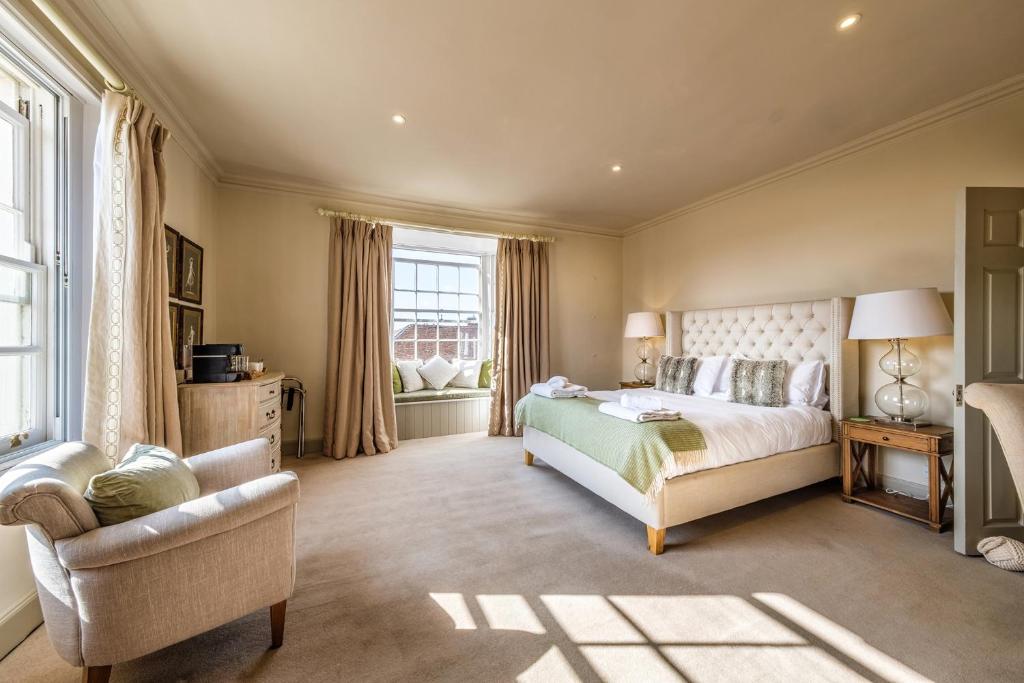


The Great House Lavenham Hotel & Restaurant
from £186.18
Prices and availability shown on partner sites at time of click. We may earn a commission.
What are the most accessible beaches along the Suffolk Heritage Coast?
The most accessible beaches along the Suffolk Heritage Coast are Southwold Beach, Aldeburgh Beach, and Felixstowe Beach, all served by public transport and equipped with convenient parking.
Southwold Beach lies right beside Southwold town centre, reached by train to Southwold railway station followed by a 10-minute stroll. A car park is located within five minutes of the beach entrance, with daily fees around EUR 5-8.
Aldeburgh Beach sits close to the Aldeburgh promenade, accessible by bus from Ipswich and Saxmundham, plus a 15-minute walk from the bus stop. Parking is available at Aldeburgh Leisure Centre car park, about 10 minutes on foot from the beach, charging approximately EUR 6 per day.
Felixstowe Beach is reachable by train from Ipswich, with Felixstowe station around a 20-minute walk from the seafront. Multiple car parks near the beach charge between EUR 4 and 7 daily.
When is the best time to visit Suffolk beaches for pleasant weather and fewer crowds?
The best time to visit Suffolk beaches for mild weather and fewer visitors is during late spring (May to early June) and early autumn (September), outside the busy summer months.
In late spring, daytime temperatures average 15-18°C, with longer daylight and typically less rain. This period also precedes the school holidays, resulting in quieter beaches and easier parking.
Early autumn features similar temperatures of 14-17°C, and the North Sea remains warm enough for swimming. September’s Aldeburgh Food and Drink Festival adds local flavour without the summer crowds.
July and August see a marked rise in visitor numbers, causing busier beaches and higher accommodation costs.
What facilities are available at Suffolk Heritage Coast beaches?
Facilities differ by beach, with Southwold and Aldeburgh providing the most amenities such as cafes, toilets, and lifeguard patrols during summer months.
Southwold Beach has public toilets near Southwold Pier, several cafes and pubs within a five-minute walk, and lifeguards on duty from late May to early September. The promenade includes seating and beach huts for rent, typically costing EUR 30-50 per day.
Aldeburgh Beach features public toilets close to the town centre and a variety of eateries along the seafront. Lifeguards patrol during peak months, and designated dog-friendly zones are marked.
Felixstowe Beach features public restrooms, children’s play areas at Felixstowe Beach Gardens, and benches along the promenade. Lifeguards cover the beach seasonally. The area is popular for windsurfing and sailing, with rental centres nearby.
How can visitors travel between beaches along the Suffolk Heritage Coast?
Travel between beaches along the Suffolk Heritage Coast is easiest by local bus services, cycling routes, and limited train connections, with distances typically between 10 and 20 kilometres.
The Suffolk Coastliner bus links towns including Southwold, Aldeburgh, and Felixstowe, with frequent daily services and fares around EUR 5-8 per trip. Timetables change seasonally, so checking schedules ahead is advisable.
National Cycle Route 1 runs close to much of the coast, offering a scenic ride connecting key beach towns. Bicycle rentals are available in Southwold and Aldeburgh, with daily rates of EUR 15-20.
Train lines run between Ipswich and Felixstowe, and Ipswich and Saxmundham, requiring bus or taxi transfers to other beaches. Taxi fares from Southwold to Aldeburgh are approximately EUR 25-30.
Where should you Stay in Suffolk?




What are some local customs and tips for visiting Suffolk beaches?
Suffolk beaches are generally welcoming to families and dogs outside peak summer months, with local customs focused on environmental care and respectful enjoyment.
Dog restrictions usually apply from May to September between 10 am and 6 pm on some beaches, so observing local signs is important. Dogs are permitted year-round otherwise.
Littering is strongly discouraged; recycling bins are common. Visitors are encouraged to bring reusable containers to minimize waste.
Locals often start their day early with walks or fishing, especially near Southwold Harbour and Aldeburgh Marshes. Fresh seafood stalls can be found at nearby markets, such as Aldeburgh Market on Saturdays, where local fishmongers share knowledge about seasonal catches.
“Suffolk’s Heritage Coast isn’t just about wide sandy beaches; it’s the whisper of ancient salt marshes and the rugged cliffs that tell stories of centuries. Walking here at dawn, you feel the salty breeze mingling with history in a way only locals truly appreciate.”
Are there any historical or natural landmarks near Suffolk’s beaches?
Notable landmarks near Suffolk's beaches include Southwold Pier, Aldeburgh Moot Hall, and the RSPB Minsmere Reserve.
Southwold Pier, constructed in 1900, stretches 270 metres into the North Sea and features an amusement arcade and cafe. It provides expansive views along the coastline.
Aldeburgh Moot Hall, a timber-framed building from the 16th century near Aldeburgh beach, houses a local museum and visitor centre.
The RSPB Minsmere Reserve, about 7 kilometres south of Aldeburgh, is a protected wetland known for birdwatching. It has walking trails and hides, with entrance fees around EUR 10 per adult.
What are typical costs for food and accommodation near Suffolk beaches?
Daily food expenses near Suffolk beaches generally range from EUR 12 to EUR 25 per person for casual meals, while accommodation costs vary from EUR 70 to EUR 150 per night based on season and lodging type.
Local cafes and pubs in Southwold and Aldeburgh serve dishes like fish and chips or sandwiches priced between EUR 12 and 18. More formal restaurants charge EUR 20-30 for main courses.
Accommodation includes bed and breakfasts, guesthouses, and smaller hotels. Booking ahead is recommended during busy summer months.
Self-catering cottages are common, with weekly rates starting near EUR 400 outside peak season.
How can visitors make the most of their time on the Suffolk Heritage Coast?
Visiting during quieter hours, combining beach visits with nearby towns, and using public transport or bikes can improve time spent on the Suffolk Heritage Coast.
Arriving early or late in the day helps avoid crowds and allows for tranquil walks along the shoreline. Many beaches connect to local villages via footpaths, such as the Southwold to Walberswick route, which takes 30 to 60 minutes.
Visiting local markets, like Aldeburgh Market on Saturdays, adds cultural interest and opportunities to buy regional goods.
Using buses or renting bicycles eases parking challenges, reduces environmental impact, and provides a fresh view of the coastline.
What safety considerations should visitors keep in mind at Suffolk beaches?
Visitors should be mindful of tidal changes, limited lifeguard presence outside summer, and local rules for swimming and water sports to stay safe at Suffolk beaches.
Tides along the Suffolk coast can shift quickly, with some beaches seeing tidal ranges up to 4 metres. Checking tide times before swimming or walking along the shore is important.
Lifeguards are usually on duty from late May to early September, between 10 am and 6 pm. Swimming outside these hours is at one’s own risk.
Water sports such as windsurfing and sailing are popular at Felixstowe Beach, but participants should stay within designated areas and follow rental operators’ guidance. Wearing life jackets and informing others of your plans are sensible precautions.


