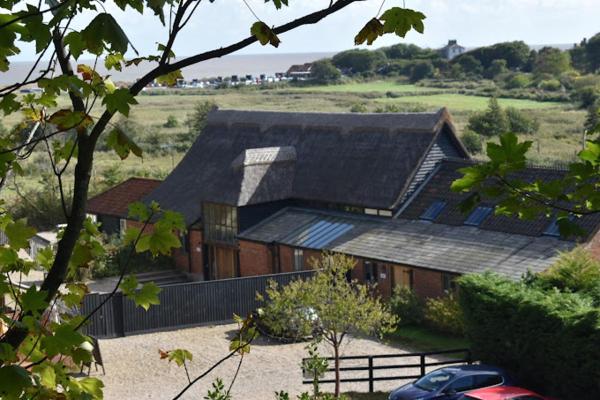
Holiday Cottages

5 Star Rating
9.2/10
(517 reviews)VN Recommended
5-star adults-only holiday cottages in Dunwich with garden views, private bathrooms, and free on-site parking. Complimentary WiFi and streaming services available.
€256


Dunwich is a small village on the Suffolk coast, known for its quiet shingle beach and the ruins of St. James’ Church, which hint at its past as a once-thriving medieval port swallowed by the sea. Walking along the cliffs, you’ll smell the salt marshes and hear seabirds, with the North Sea wind carrying a sharp, briny tang. The village has a handful of local pubs like The Ship Inn, where you can try freshly caught fish and chips for around £9. Dunwich feels remote and weathered by time, making it a good spot for a calm, reflective day by the sea.
Find tours, hotels, restaurants, and guides in Dunwich
Dunwich sits about 15 miles east of Ipswich, reachable via the A12 to the A1120 and then local roads. The village is best known for its dramatic coastline, where much of the medieval town has been lost to the sea. The Dunwich Museum (£3.50 entry, open 10am–4pm Wed–Sun) is a good starting point to understand the history of this once-thriving port. It covers the town’s decline and the coastal erosion that continues to reshape the area.
For walking, the Dunwich Heath National Nature Reserve lies just south, with several marked trails through heathland and pine forest. The scent of gorse and pine fills the air, and the shingle beach crunches underfoot. Access is free, and the reserve opens at dawn until dusk year-round. The ruins of Greyfriars Priory, near the village centre, are worth a quick stop for a glimpse of 13th-century stonework; there is no entry fee. For a straightforward day, start at the museum, then head along footpaths to the heath and priory ruins, finishing with a walk on the beach. Skip the small church unless you’re keen on quiet rural interiors.
Dunwich hosts the annual Dunwich Dynamo, a night-time cycling event in July attracting riders from London to Dunwich, but it’s more a point-to-point meetup than a festival. The village’s small size means most community events are low-key, such as the Dunwich Village Fete in August and occasional craft fairs at the Village Hall. These fairs provide local crafts and produce but don’t generally justify a special trip.
Seasonal highlights include birdwatching during autumn migration on the heath and an informal Christmas carol evening at the village church in December. The Dunwich Regatta, held in early August, is a modest boat race along the coast with a small crowd. Plan visits around these if you enjoy quiet rural events, but none are large-scale or draw significant crowds compared to festivals in nearby Southwold or Aldeburgh.
The Sailor’s Return, a pub on the High Street, serves traditional pub meals with a focus on local seafood. Try the fish and chips (£11.50), which locals say beat some of the bigger coastal towns for freshness and portion size. The pub also offers Suffolk ales like Adnams Broadside at around £4.50 a pint. For a simple tea or cake, the Dunwich Bakery is a good spot, with prices for pastries around £2.50.
For something more substantial, the nearby Southwold (about 6 miles north on the A12) has more options but less village charm. There’s no formal farmers market in Dunwich, but the village shop stocks local cheeses and meats from Suffolk producers. Tourists tend to gather at The Sailor’s Return and the bakery, while locals often eat at the pub or bring takeaways from nearby towns.
There are limited accommodations in Dunwich itself. The Dunwich Cliff Hotel offers rooms from £75 per night during summer, located close to the beach on Dunwich Road. For a more rural setting, several holiday cottages along East Lane go for £90–£150 per night, often booked months in advance for July and August. Camping is available at a small site near Dunwich Heath, costing about £20 per night for a tent pitch.
Most visitors opt to stay in Southwold or Walberswick, both within a 15-minute drive via the A12, due to more extensive lodging and dining options. If you want to stay in Dunwich, book early for summer, as availability is tight. The village’s quiet atmosphere suits those wanting to avoid larger seaside crowds but requires some planning to secure accommodation.
5-star adults-only holiday cottages in Dunwich with garden views, private bathrooms, and free on-site parking. Complimentary WiFi and streaming services available.
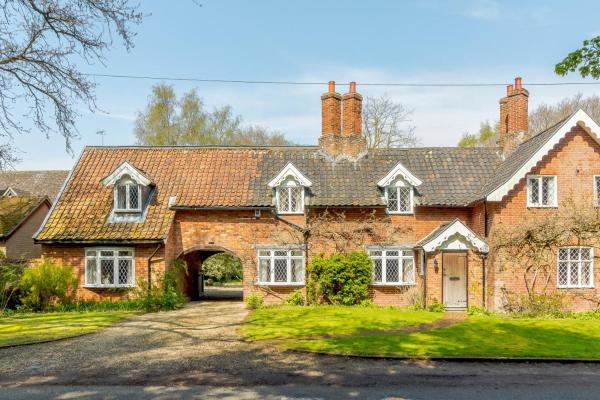
Four-bedroom holiday home in Dunwich with three bathrooms, private entrance, and fully equipped kitchen. Spacious living areas overlook garden views and include free WiFi and a washing machine.
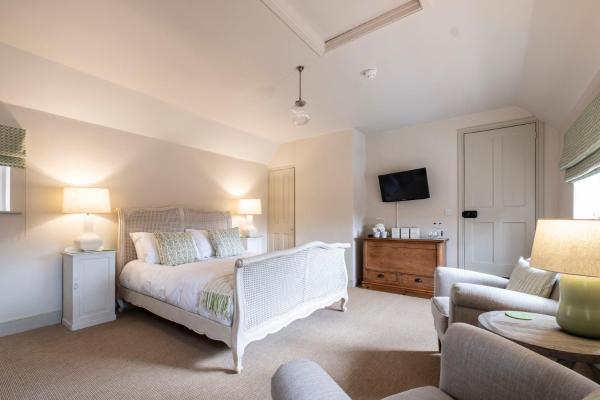
4-star inn in Dunwich with traditional rooms, free private parking, and a large garden. Located a short walk from the beach, some rooms have marsh views toward Southwold.
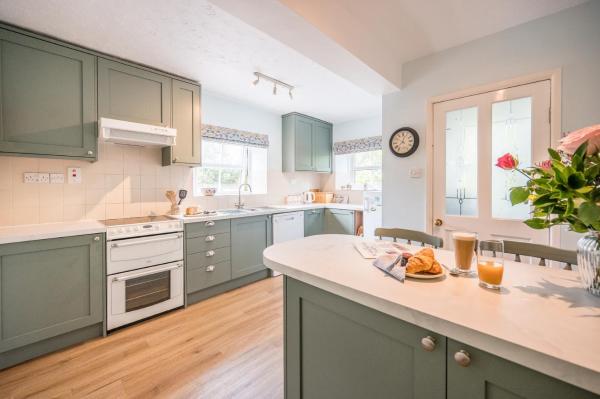
Four-bedroom holiday home in Dunwich with private entrance, kitchenette, and patio. Includes free WiFi, fireplace, barbecue, and modern kitchen appliances.
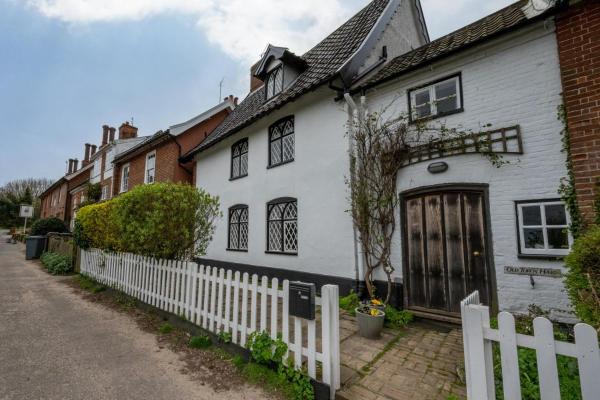
Comfortable Accommodations: 4 Bed in Saxmundham oc-oth offers a holiday home in Dunwich with four bedrooms and two bathrooms.
Looking for things to do near Dunwich?
Browse all tours & activities →The Sailor’s Return, a pub on the High Street, serves traditional pub meals with a focus on local seafood. Try the fish and chips (£11.50), which locals say beat some of the bigger coastal towns for freshness and portion size. The pub also offers Suffolk ales like Adnams Broadside at around £4.50 a ...
Dunwich sits about 15 miles east of Ipswich, reachable via the A12 to the A1120 and then local roads. The village is best known for its dramatic coastline, where much of the medieval town has been lost to the sea. The Dunwich Museum (£3.50 entry, open 10am–4pm Wed–Sun) is a good starting point to un...